Sunday, October 2, 2016

These 100-Year-Old Colour Portraits Of New York Immigrants Reveal Incredible Outfits


Digital colourisation shows off the most amazing clothes from around the world.
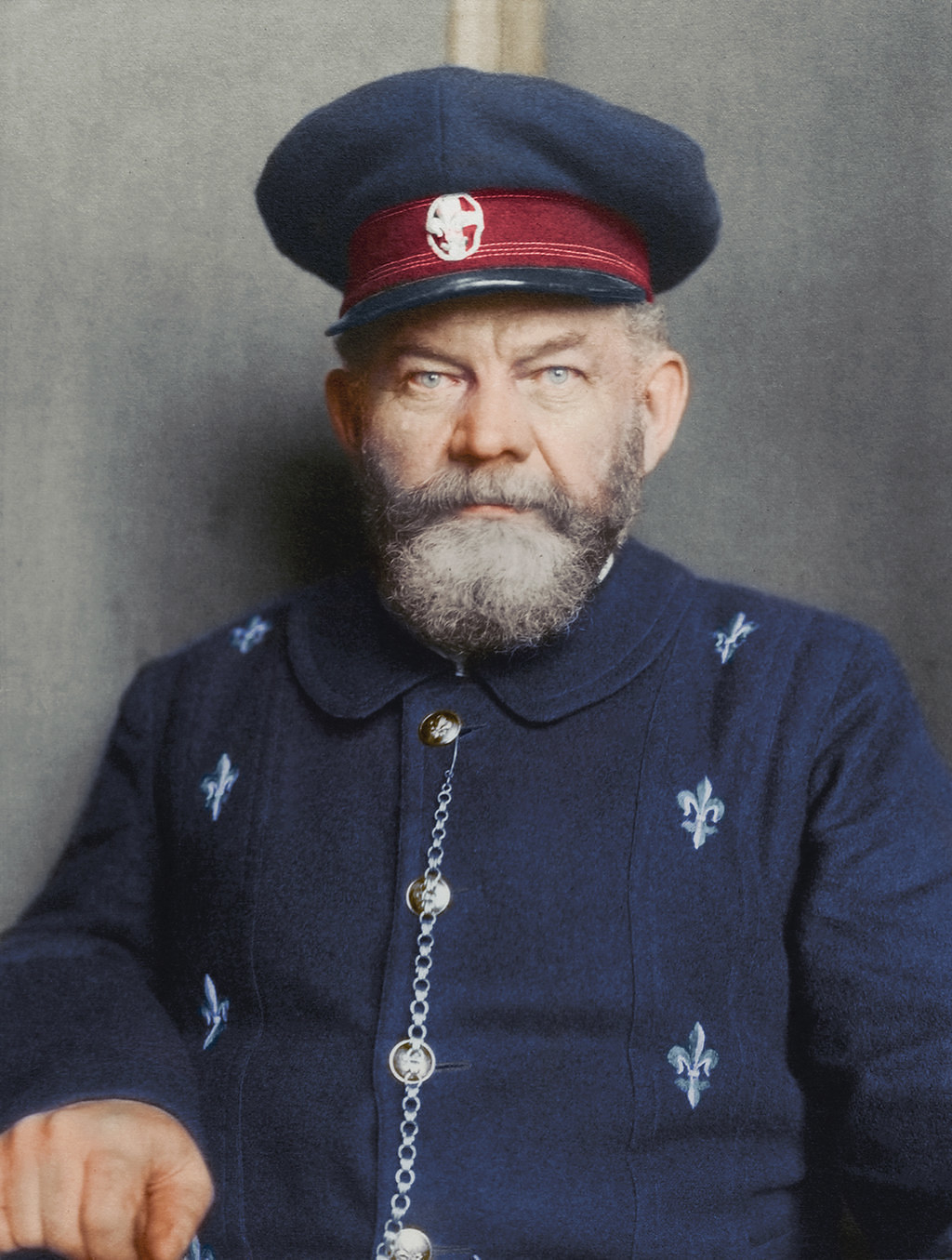
Here are just a handful of the 12 million men, women, and children who arrived at Ellis Island, New York, between 1892 and 1954 to start a new life in the USA, often dressed in their finest clothes. The portraits show immigrants wearing the national dress of their country of origin, including military uniforms from Albania, bonnets from the Netherlands, and clothing of Sámi people from the Arctic regions.
The photographs were taken between 1906 and 1914 by amateur photographer Augustus Francis Sherman, the chief registry clerk at Ellis Island, then the country’s busiest immigration station. In 1907 some of the photos were published by National Geographic.
Photo colourisation specialists at Dynamichrome have put painstaking work into bringing these photos to vivid life by adding colour, using historical references to help pinpoint the exact colours, including postcards from the era, and colour photographers from a later date. The colourisation helps us imagine the vivid splendour these culturally significant clothes would have held in their day.
The photos form part of the book The Paper Time Machine, funding for which is currently being crowdsourced.
Use our slidey thing to see both the original black-and-white photo and the finished colourised image, accompanied by captions by Dynamichrome.

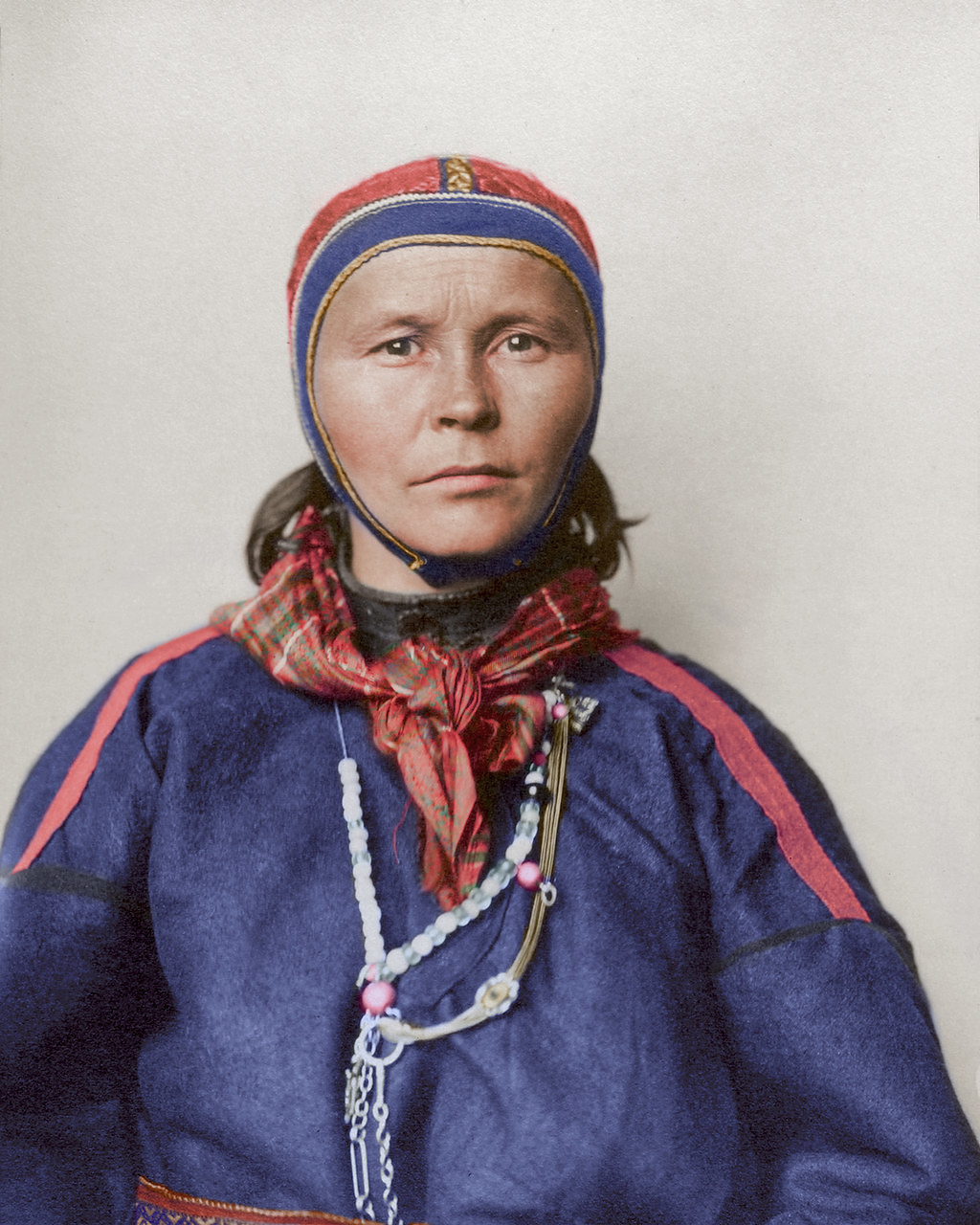
“Laplander”, c. 1910
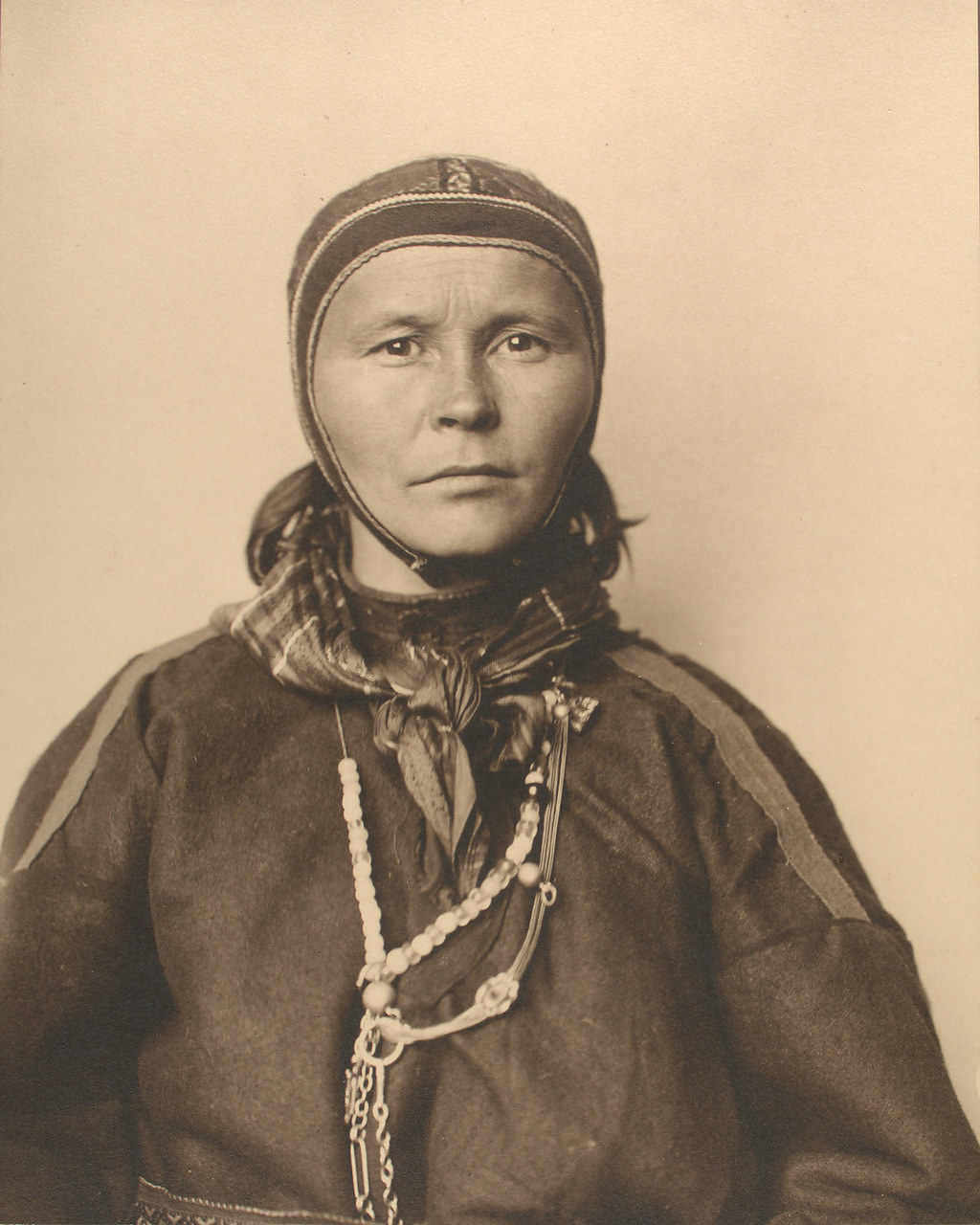
“Gákti is the traditional costume of the Sámi people inhabiting the Arctic regions spanning from northern Norway to the Kola peninsula in Russia. Traditionally made from reindeer leather and wool, velvet and silks are also used, with the (typically blue) pullover being supplemented by contrasting coloured banding of plaits, brooches and jewellery. The decorations are region-specific and the gákti is used in ceremonial contexts such as weddings, or signified whether or not one was single or married, but also served a working dress when herding reindeer.” – Dynamichrome Augustus Francis Sherman / New York Public Library / Dynamichrome / Via digitalcollections.nypl.org

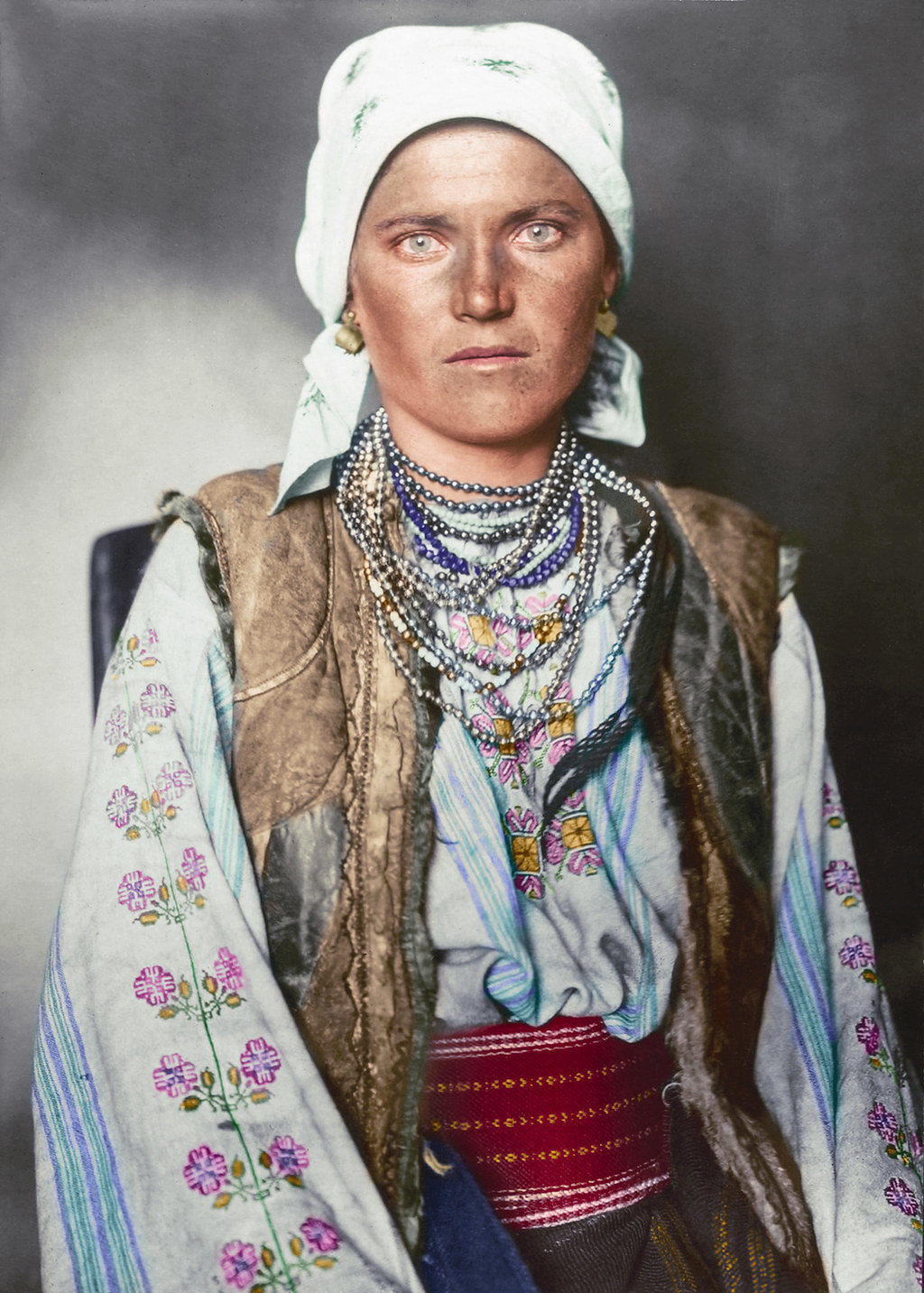
“Ruthenian Woman”, 1906
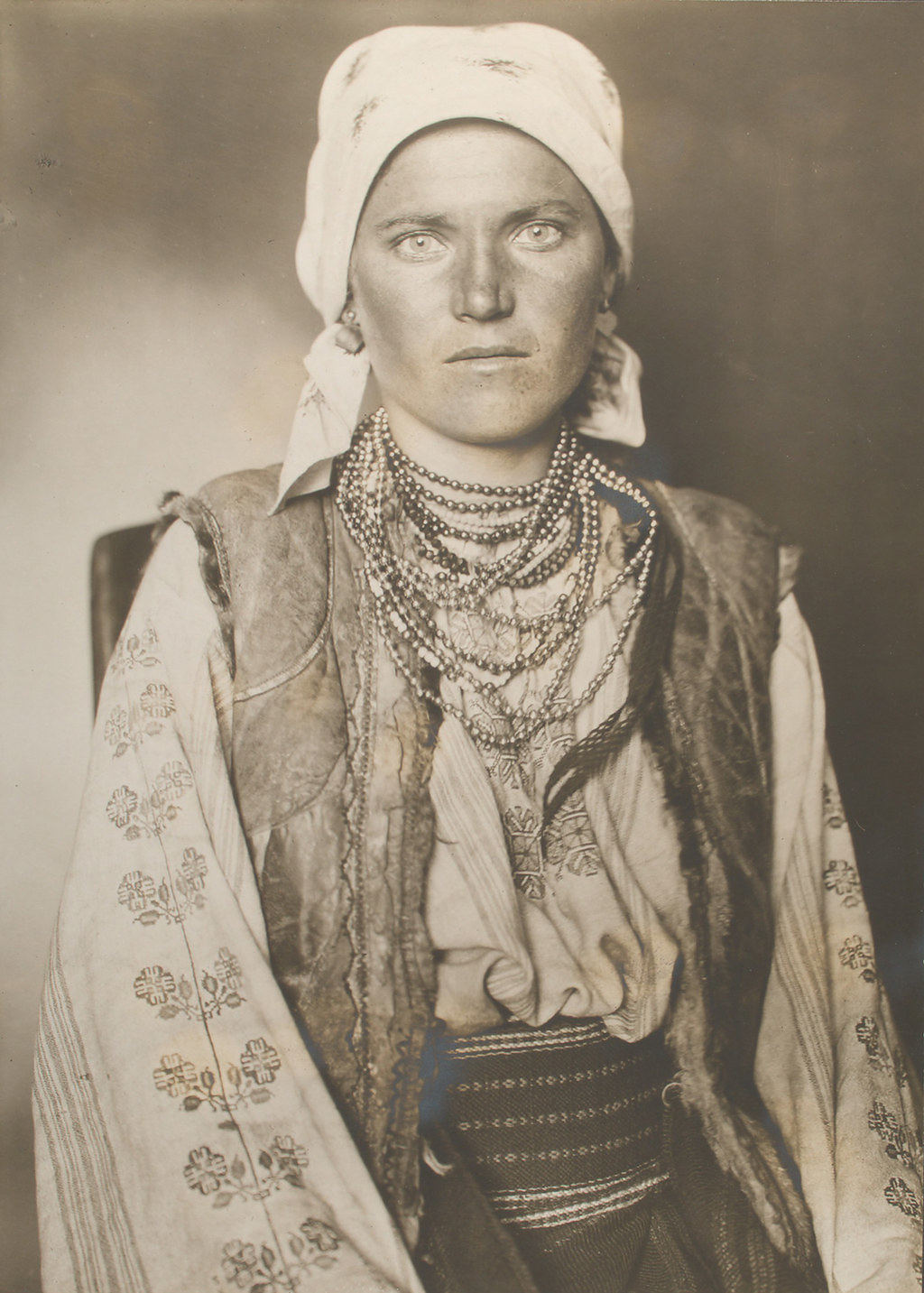
“Historically inhabiting the kingdom of the Rus, ranging from parts of modern-day Slavic-speaking countries, this example of Ruthenian traditional dress consisted of a shirt and underskirt made from linen that was embroidered with traditional floral based patterns. The sleeveless jacket is constructed from panels of sheepskin.” – Dynamichrome Augustus Francis Sherman / New York Public Library / Dynamichrome / Via digitalcollections.nypl.org

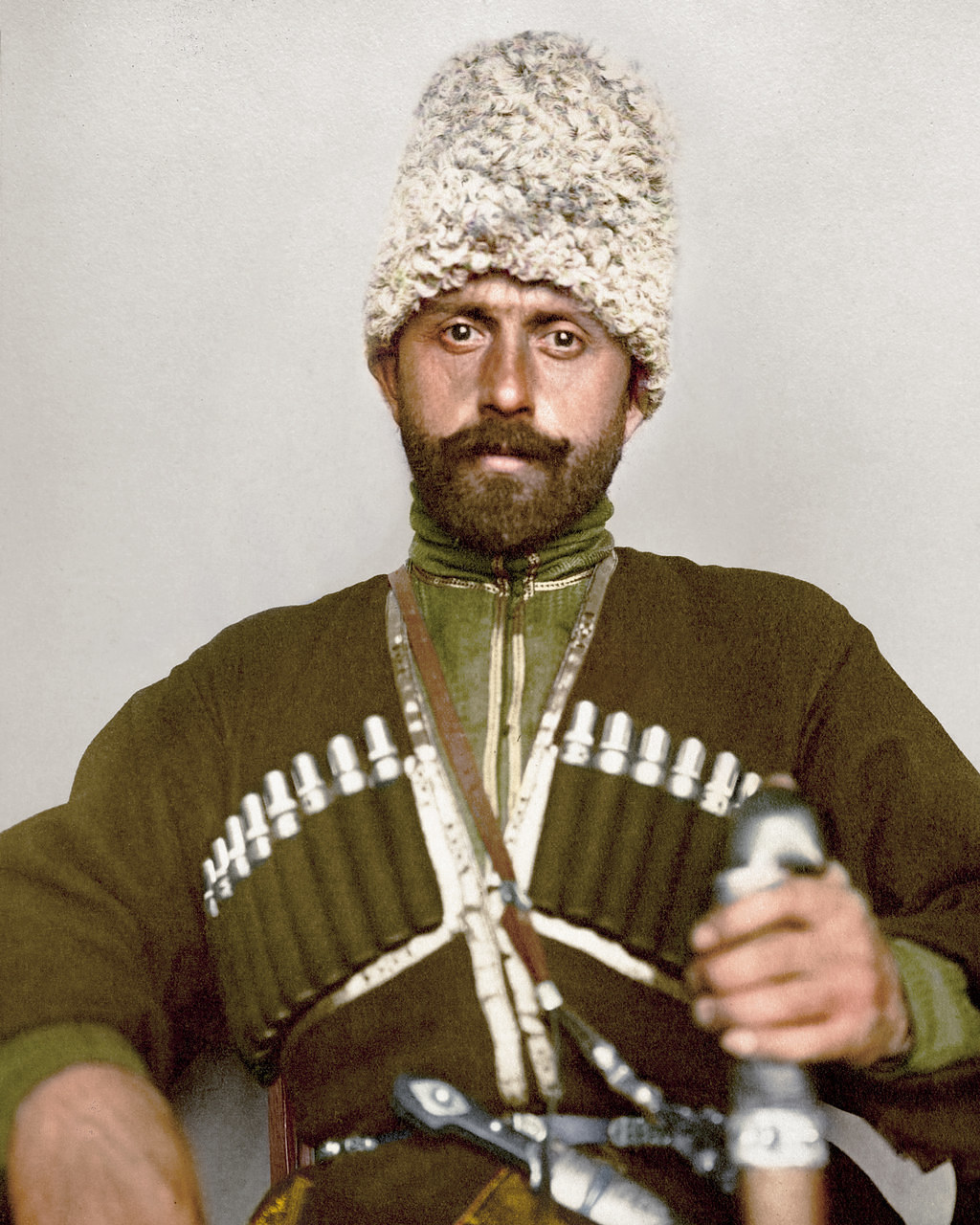
“Cossack Man”, c. 1906–1914
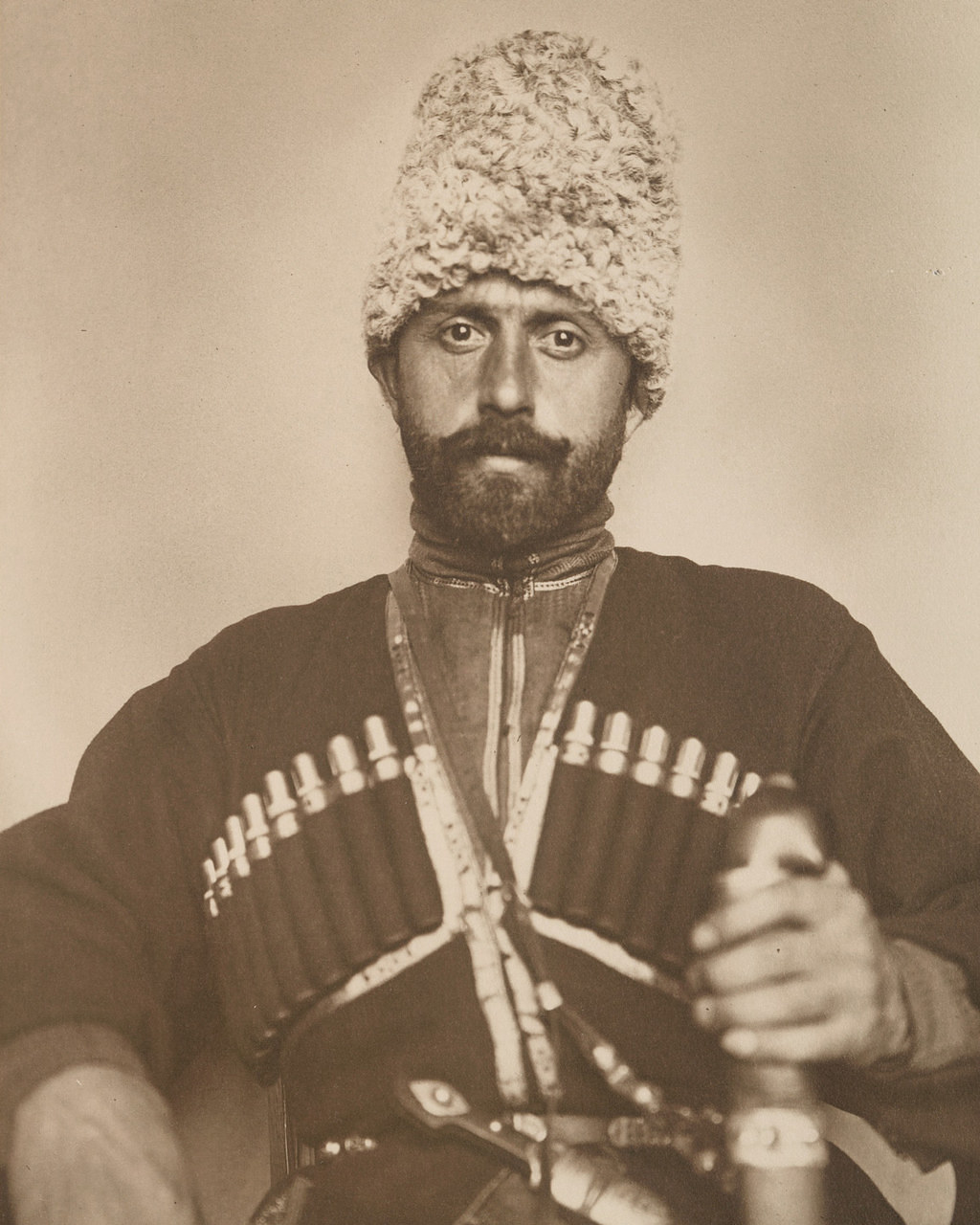
“The Cossacks were famed soldiers that by the time this photograph was taken had evolved into a military class that numerously served as border guards or police. A Cossack soldier was required to provide their own arms, horses and uniform at their own expense. The gentleman here is most likely from the Ussuri Cossack Host, characterised by his papakha lamb-wool hat and the green cherkesska coat accented in yellow. The coat features a number of pouches to house gazyri, traditionally metal powder tubes for early firearms.” – Dynamichrome Augustus Francis Sherman / New York Public Library / Dynamichrome / Via digitalcollections.nypl.org

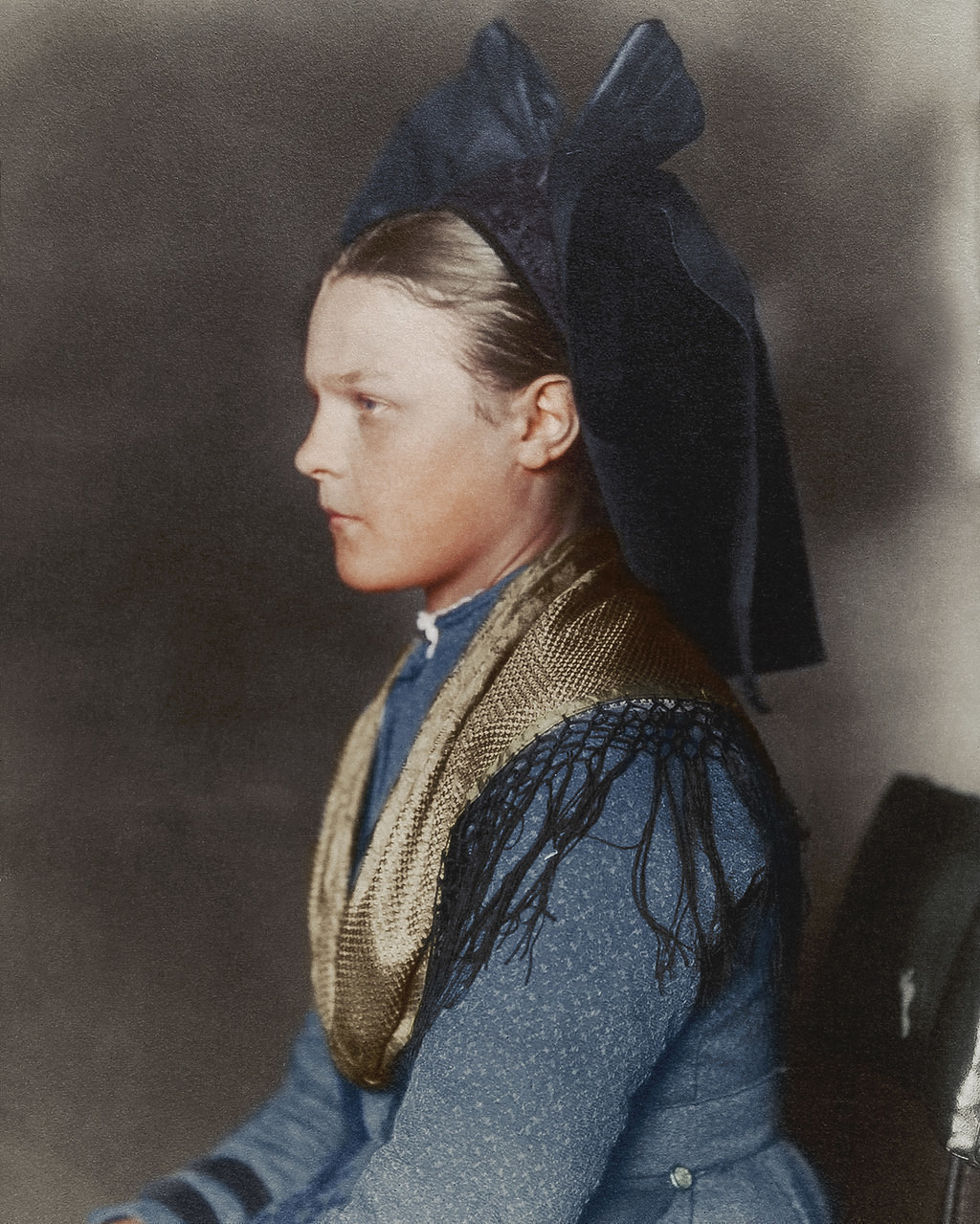
“Alsace-Lorraine Girl”, 1906
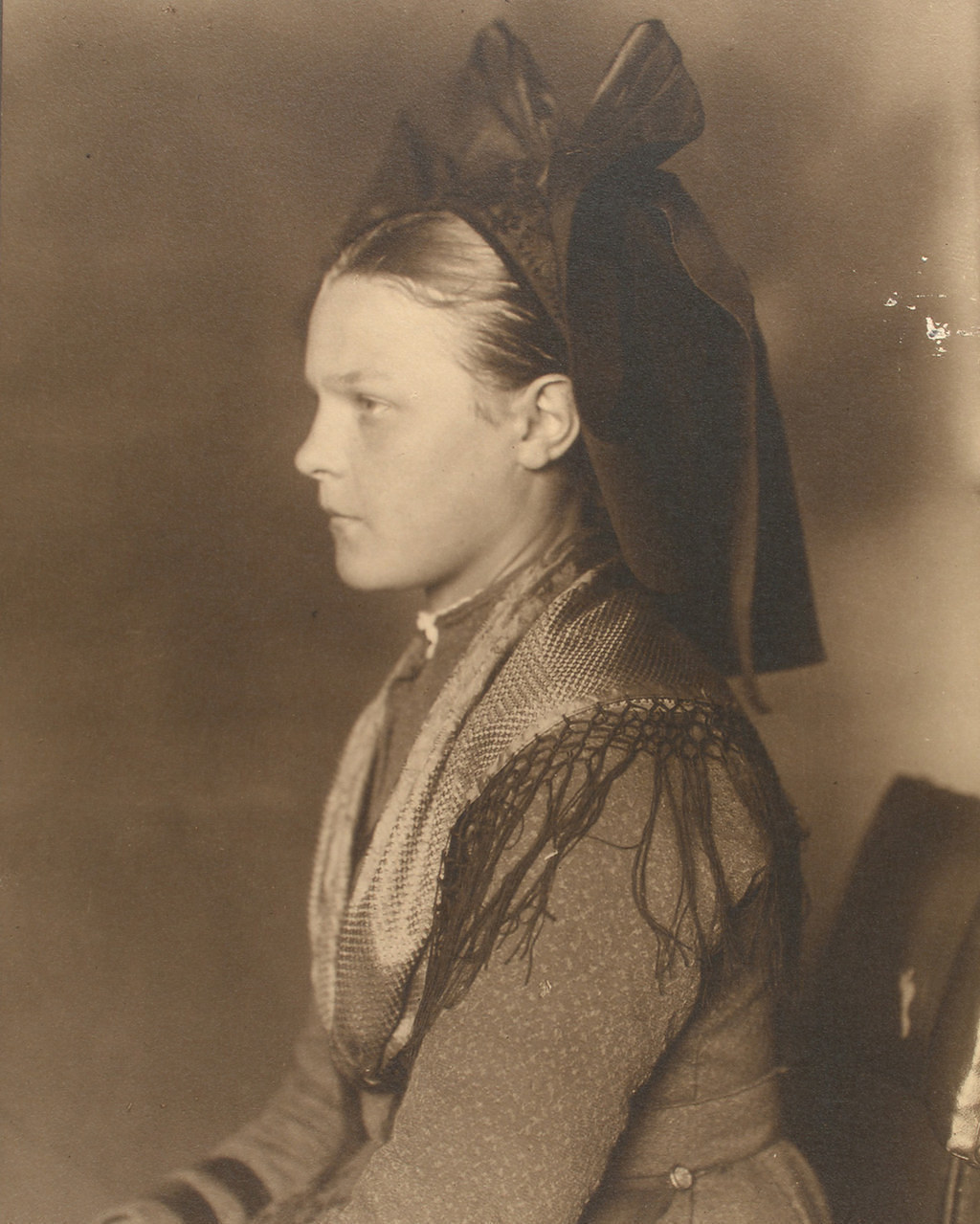
“Hailing from the Germanic-speaking region of Alsace (now in modern-day France), the large bow, known as a schlupfkàpp, was worn by single women. The bows signified the bearer’s religion: black for Protestants, while Catholics favoured bright colours.” – Dynamichrome Augustus Francis Sherman / New York Public Library / Dynamichrome / Via digitalcollections.nypl.org

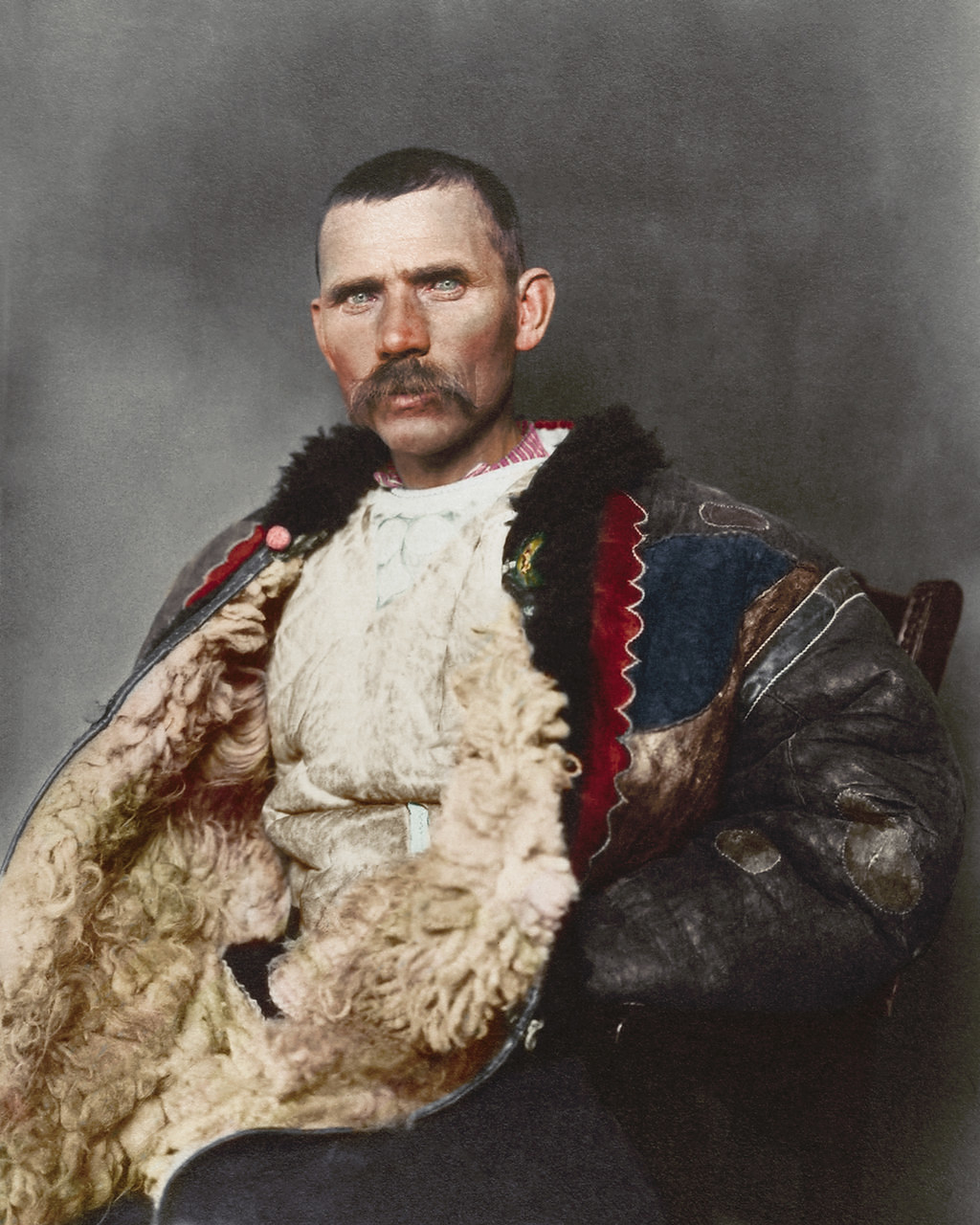
“Romanian Shepherd”, 1906
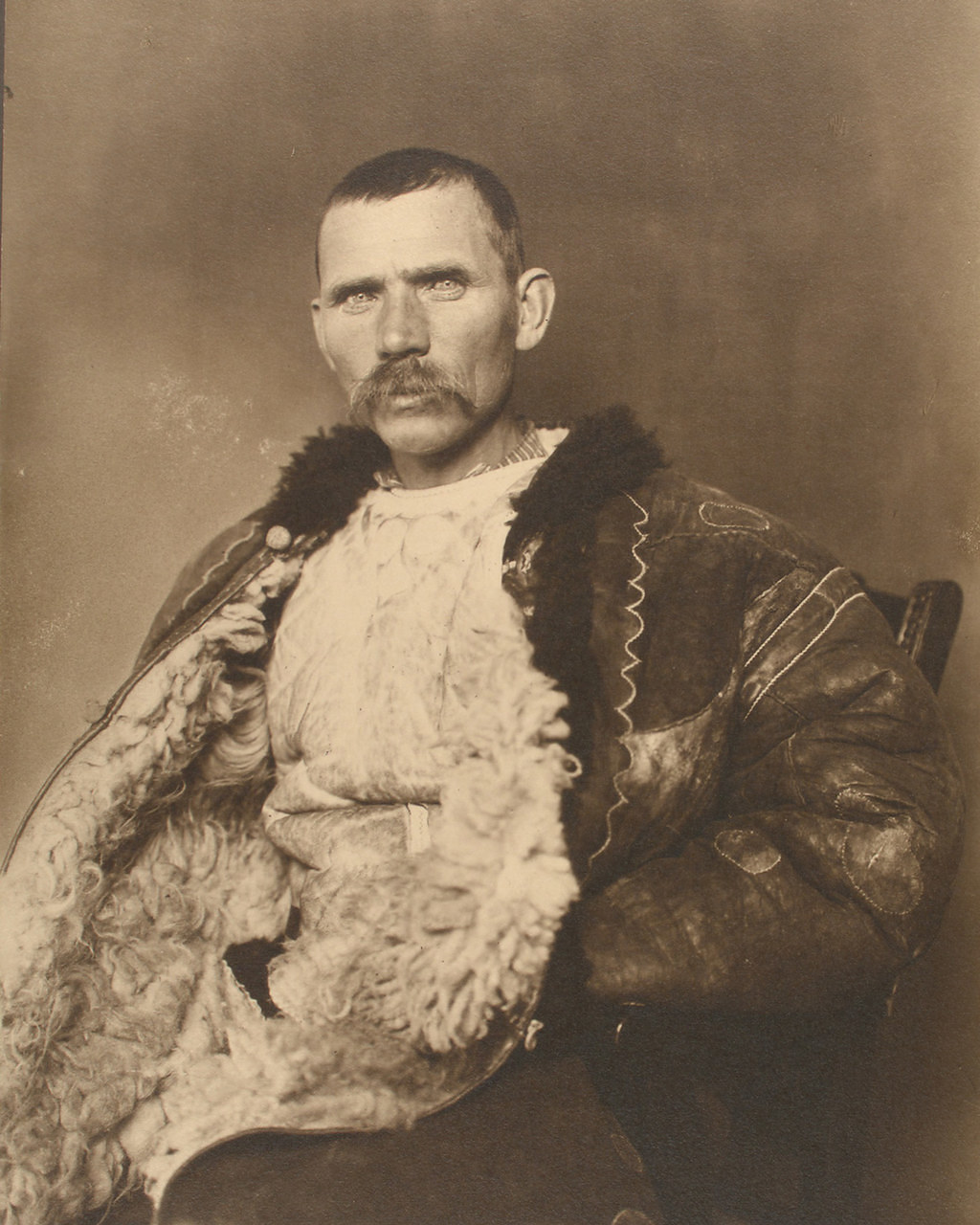
“Dominating the photograph is a traditional shepherd’s cloak known as sarică, made from three or four sheepskins sewn together with the fleece facing outwards and generally extended to below the knee, which could be used as a pillow when sleeping outdoors. Sheepskin was also used to make the shepherd’s cojoc, an embroidered sleeved coat that had tassels, leather strips, and other small decorative elements added. This particular example wasn’t likely used for practical purposes given the amount of decoration adorning it.” – Dynamichrome Augustus Francis Sherman / New York Public Library / Dynamichrome / Via digitalcollections.nypl.org

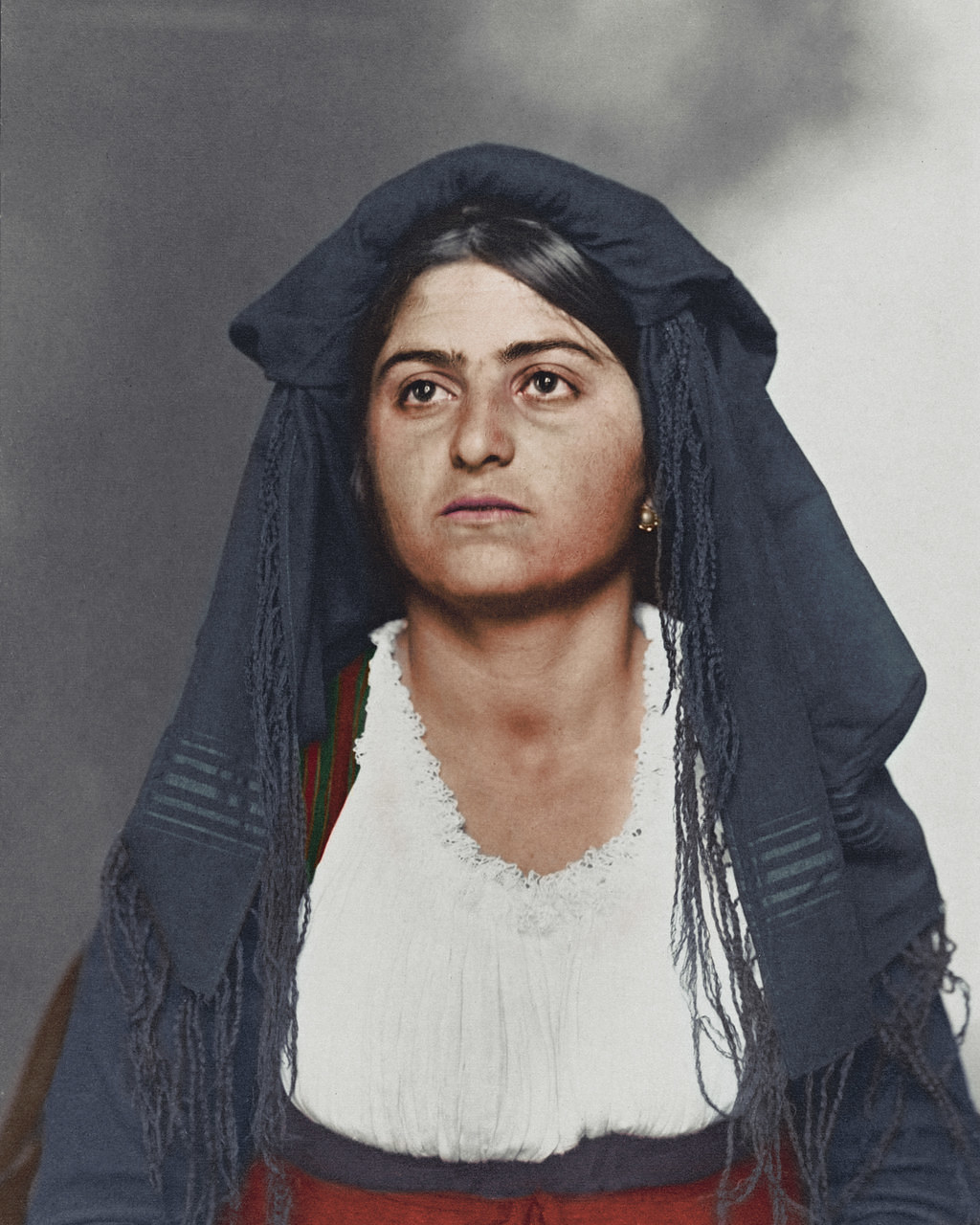
“Italian Woman”, c. 1910
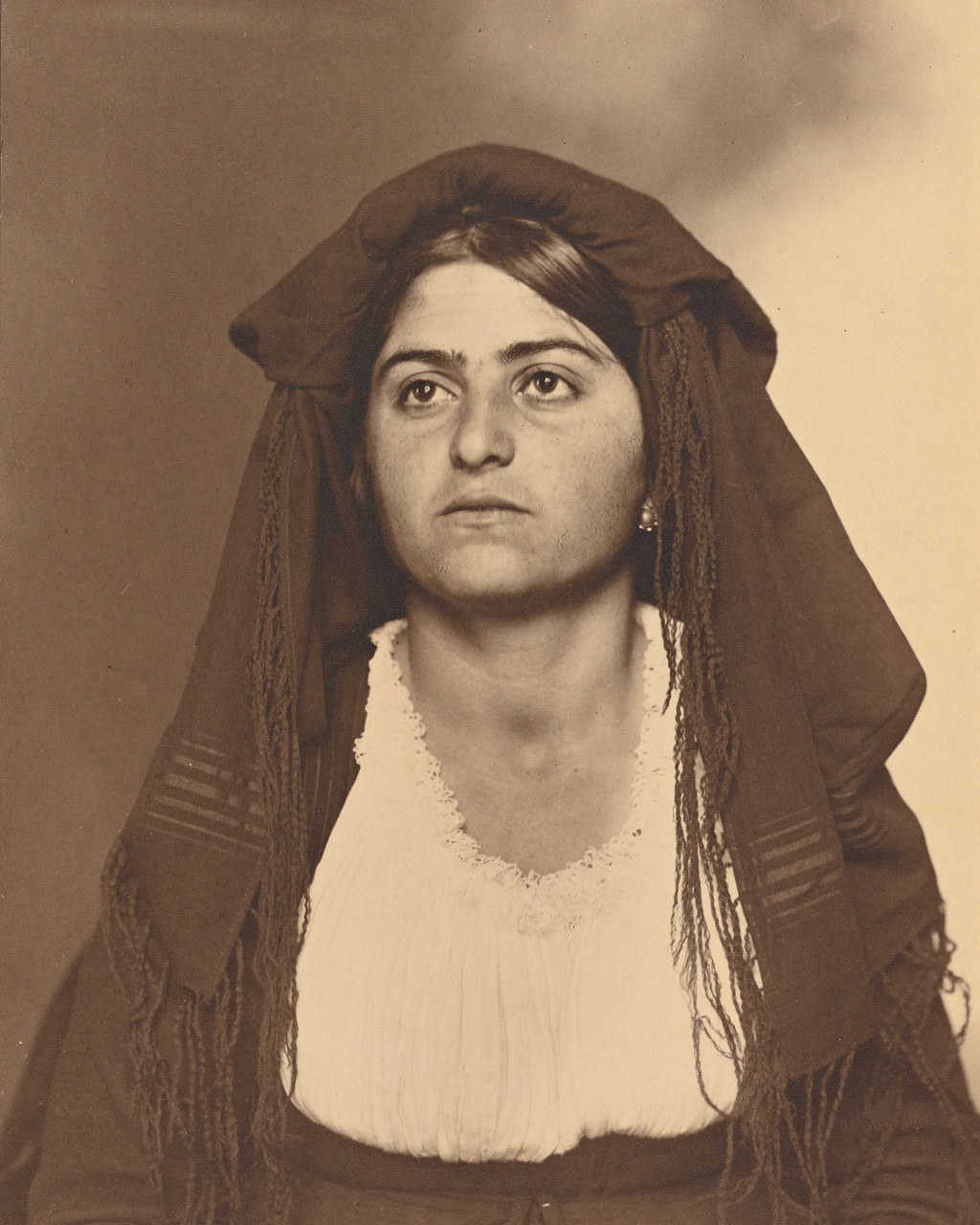
“This traditional dress was most likely homespun and consisted of a long, wide dress to cover the ankles. Above, a bodice and sleeves were tied in such a way to expose portions of the linen blouse and colours and materials were usually regional. Shawls and veils were also a common feature, and an apron decorated with floral brocades were used for special occasions such as weddings.” – Dynamichrome Augustus Francis Sherman / New York Public Library / Dynamichrome / Via digitalcollections.nypl.org

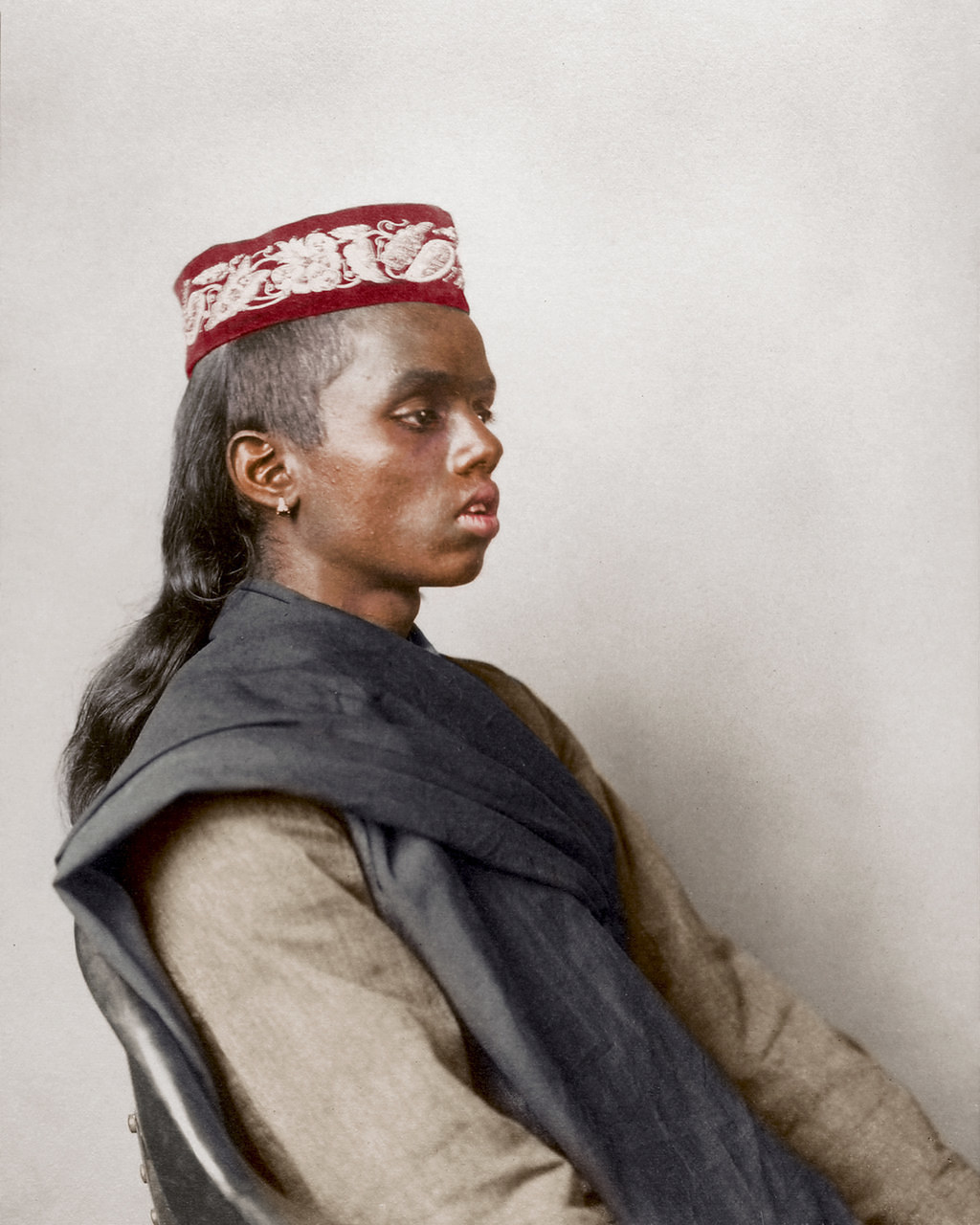
“Hindoo Boy”, 1911
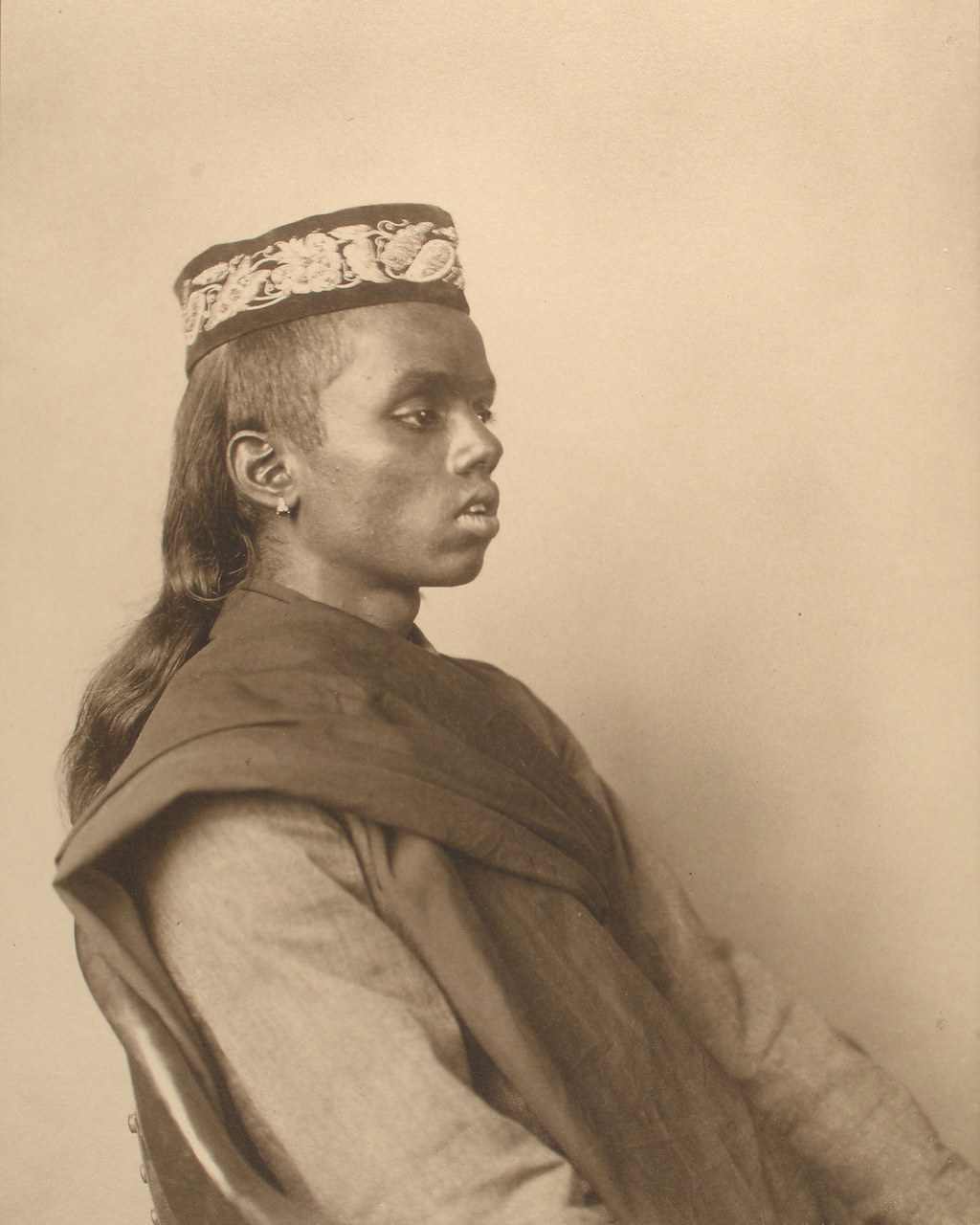
“The topi (a word to denote ‘cap’) is worn all over the Indian subcontinent with many regional variations and cultural significance, and is especially popular in Muslim communities, where it is known as a taqiyah. Both the cotton khadi and the prayer shawl are most likely handspun on a charkha, and were used all year round.” – Dynamichrome Augustus Francis Sherman / New York Public Library / Dynamichrome / Viadigitalcollections.nypl.org

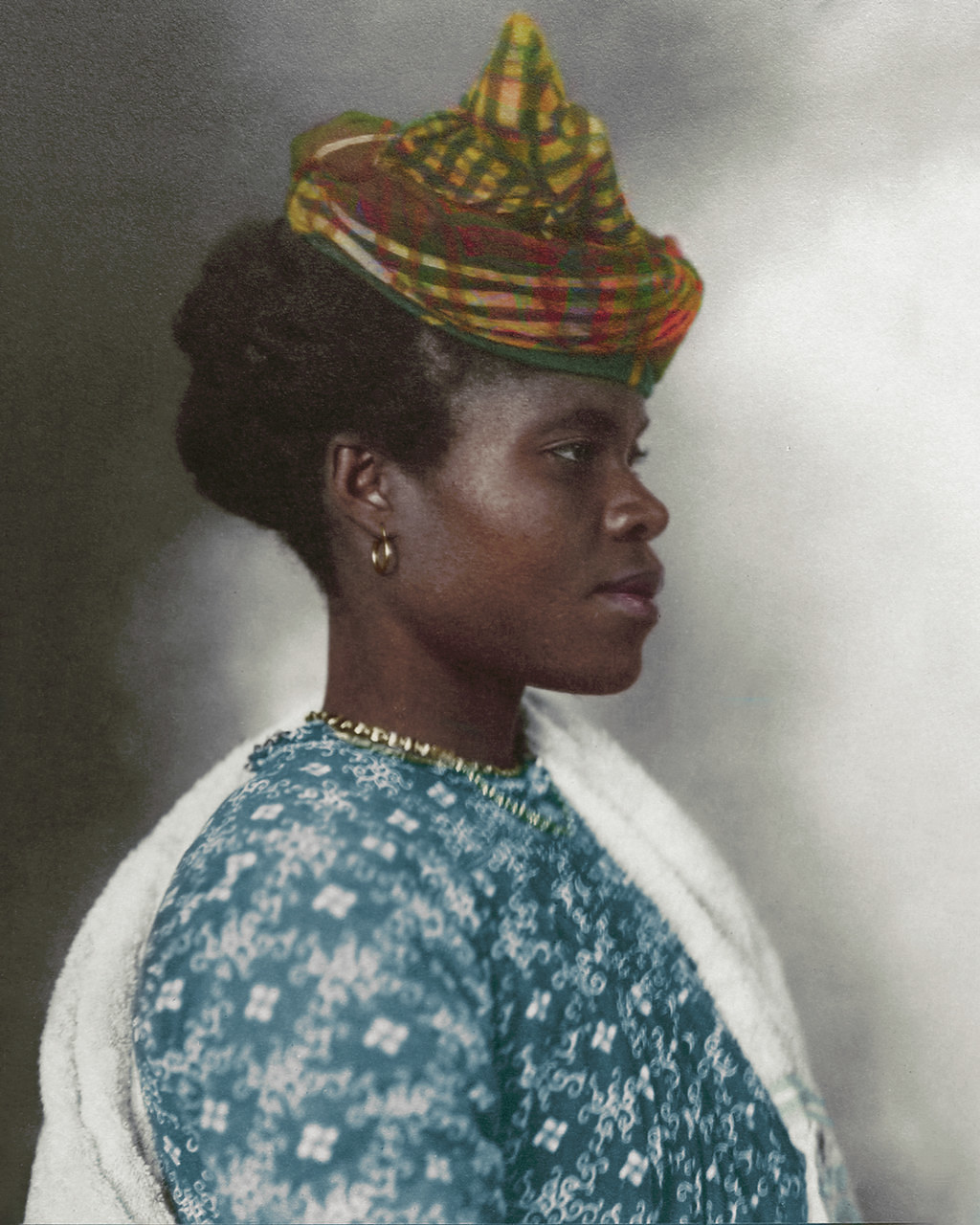
“Guadeloupean Woman”, 1911
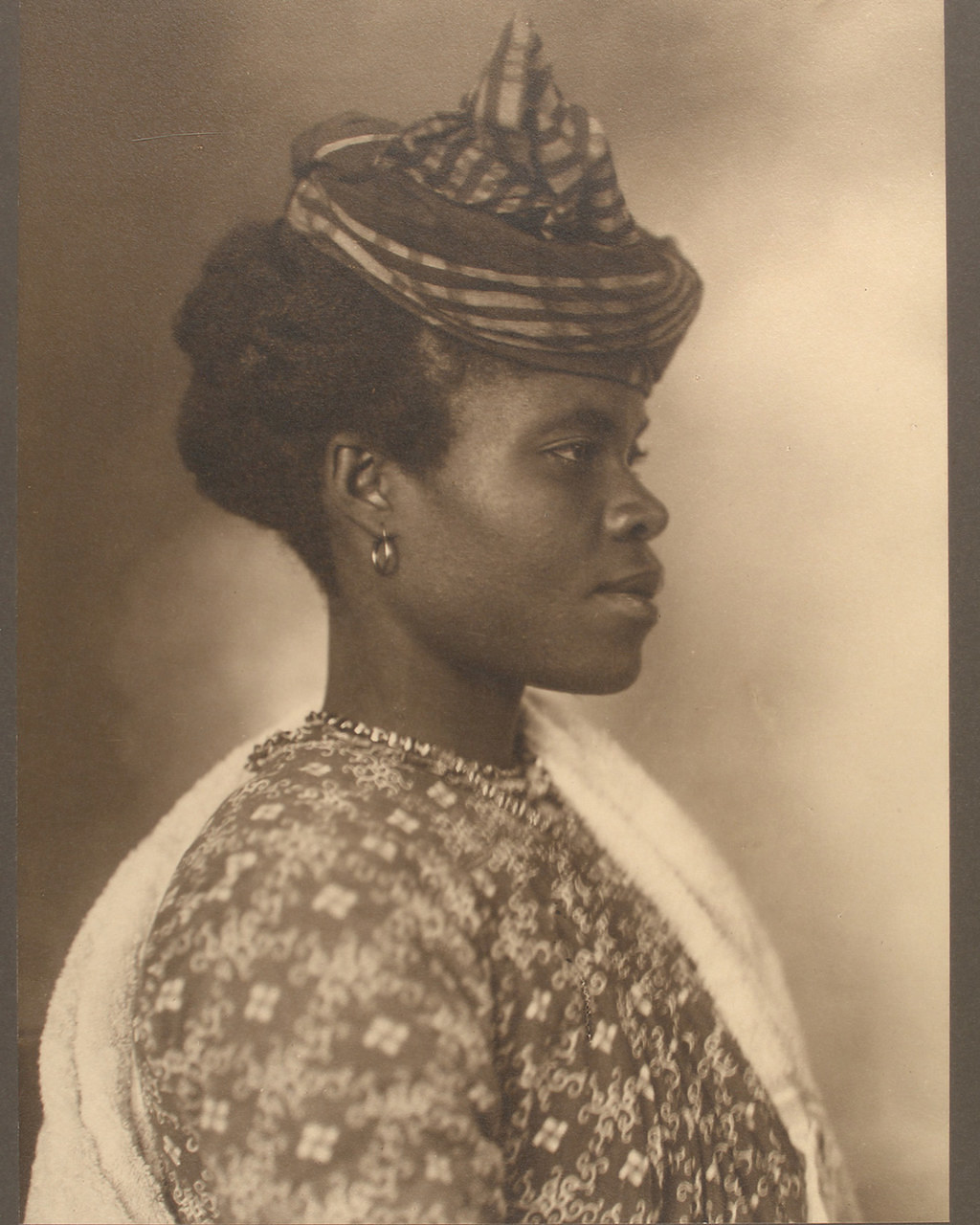
“The elaborate tartan headpiece worn by Guadeloupean woman can be traced back to the Middle Ages, when the eastern Indian city of Madras was famed for its cotton-making. First plain, then striped, and then with increasingly elaborate patterns, the Madras fabric that was exported and used as headwraps was eventually influenced by the Scottish in colonial India, leading to a Madras-inspired tartan known as ‘Madrasi checks’, which in the colonial empires made its way to the French-occupied Caribbean. Like many of the traditional costumes from all over the world, the headpiece decoration in many cases was indicative of the married status of the wearer.” – Dynamichrome Augustus Francis Sherman / New York Public Library / Dynamichrome / Via digitalcollections.nypl.org

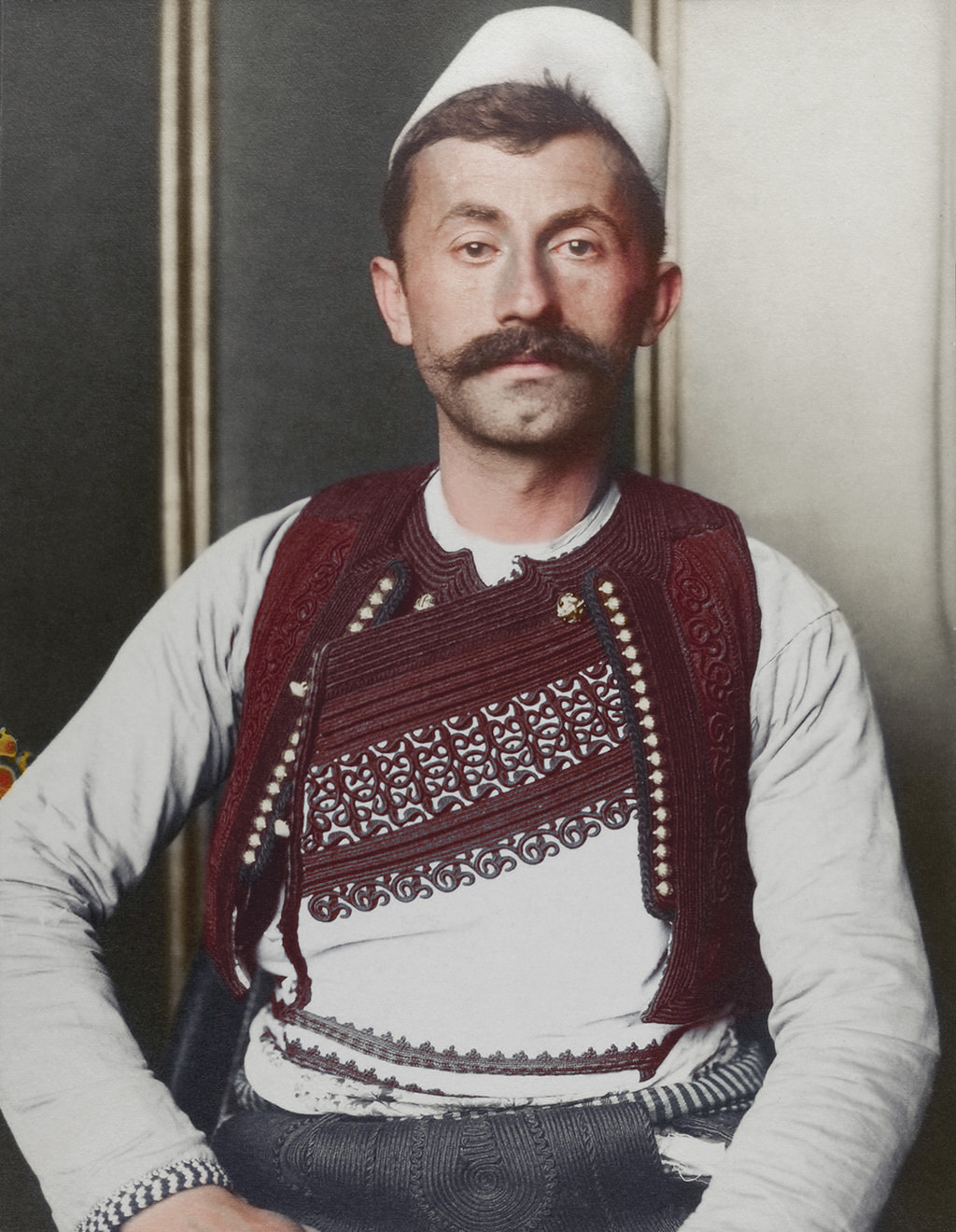
“Albanian Soldier”, c. 1910
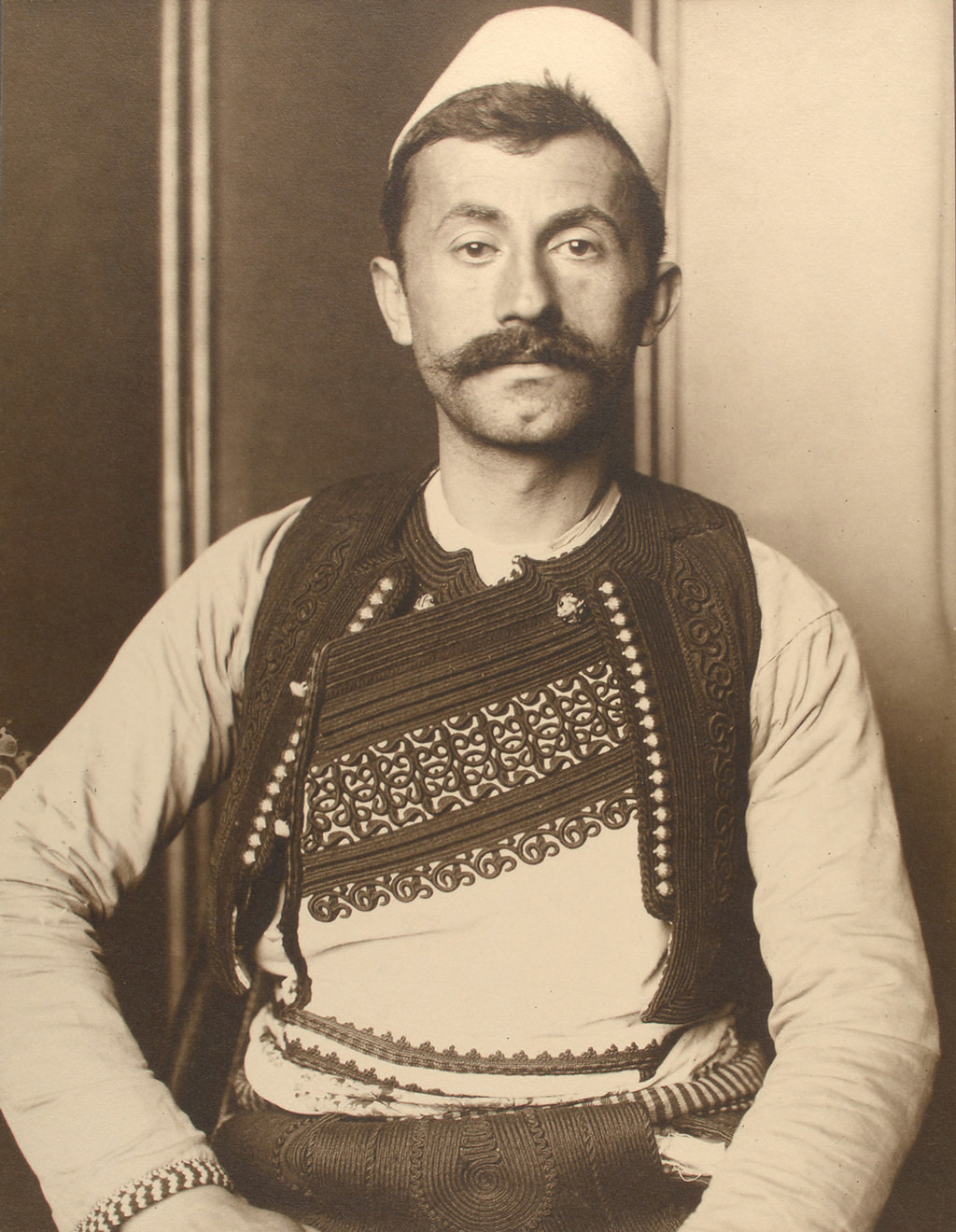
“The truncated brimless felt cap is known as a qeleshe, whose shape was largely determined by region and moulded to one’s head. The vest, known as a jelek or xhamadan, was decorated with embroidered braids of silk or cotton; its colour and decoration denoted the region where the wearer was from and their social rank. Most likely this soldier is from the northeastern regions of Albania, judging by the cut and colour of his outfit.” – Dynamichrome Augustus Francis Sherman / New York Public Library / Dynamichrome / Via digitalcollections.nypl.org

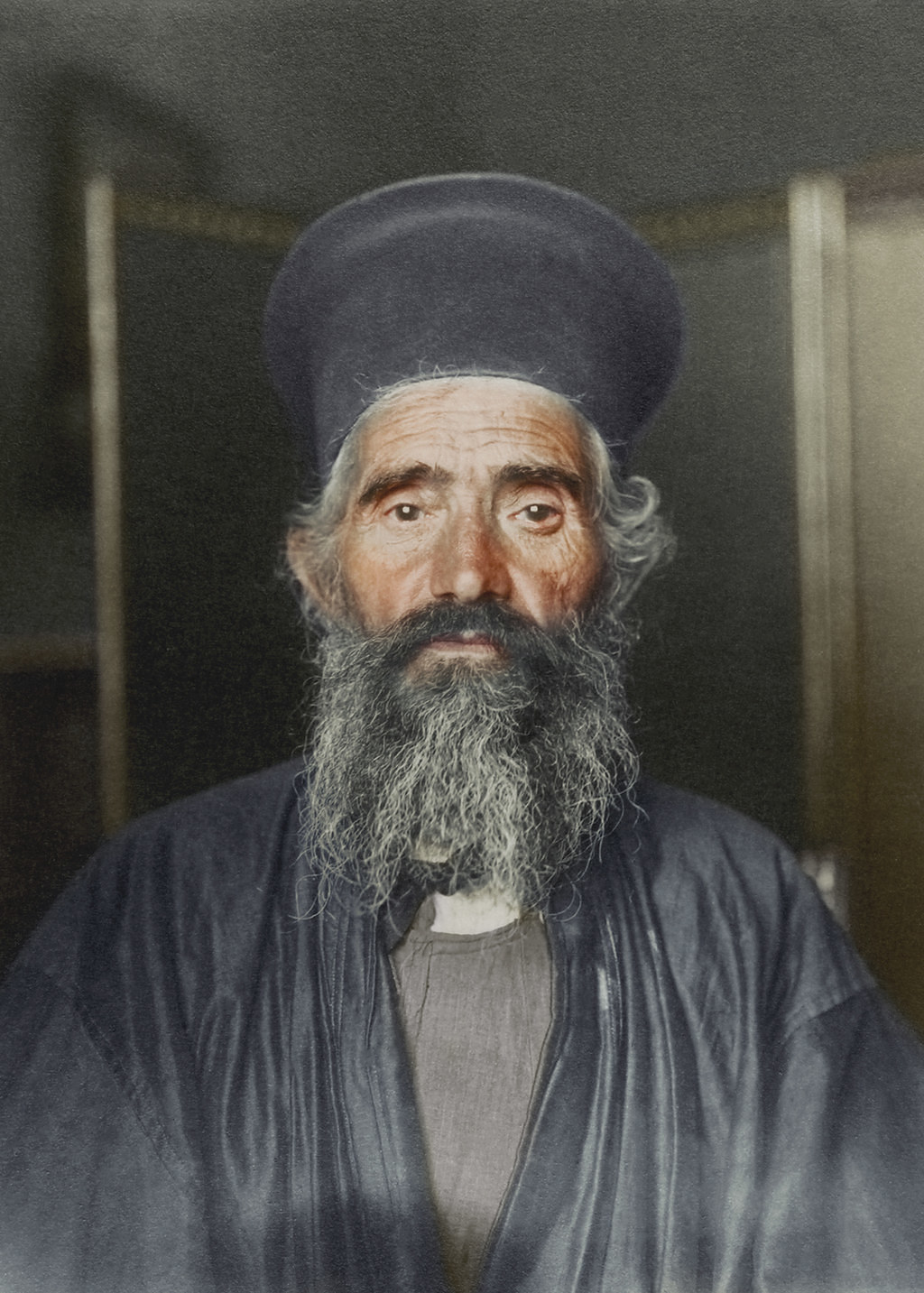
“Rev. Joseph Vasilon, Greek-Orthodox Priest”, c. 1910
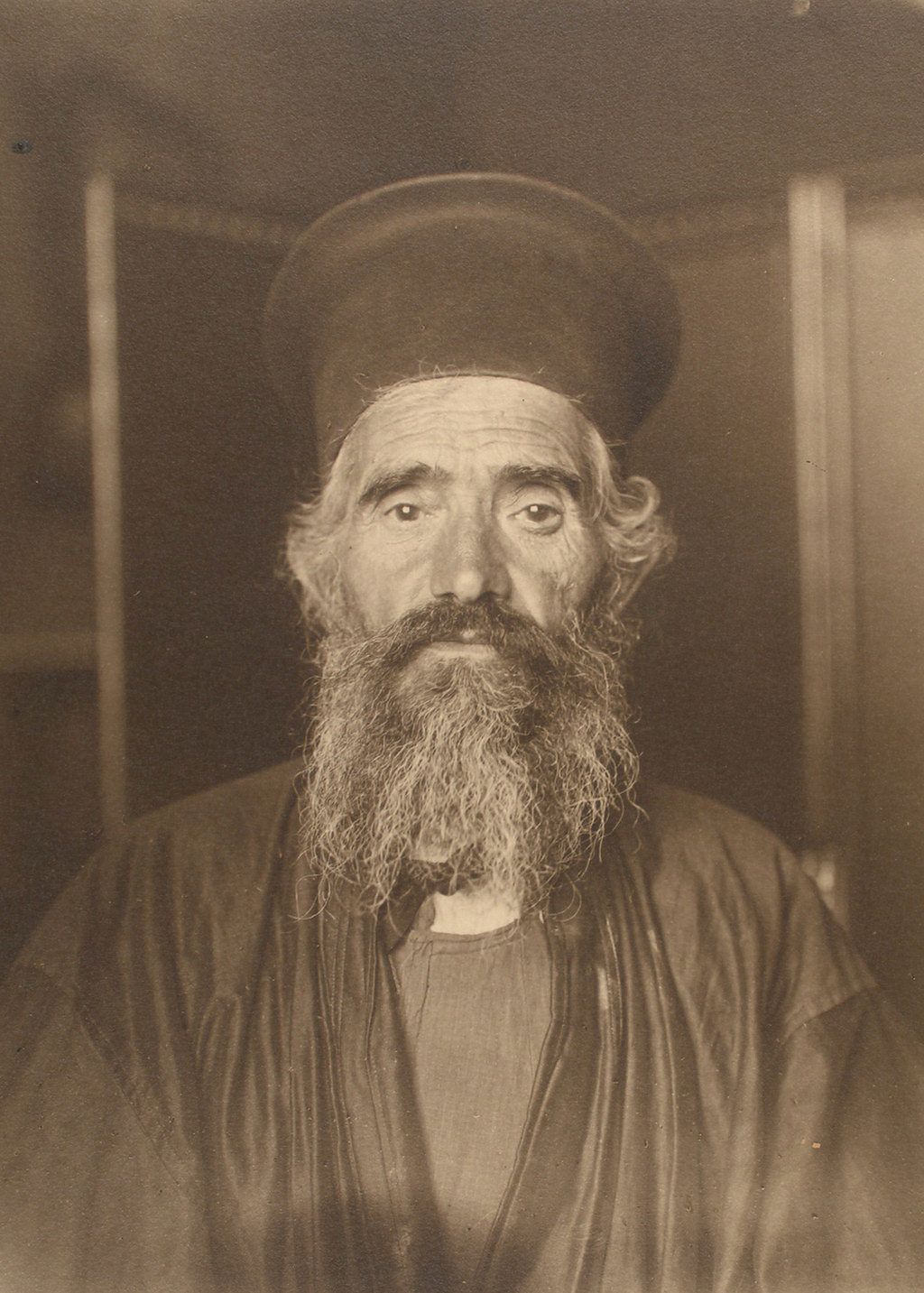
“The vestments of the Greek Orthodox church have remained largely unchanged. In this photograph, the priest wears an anteri, an ankle-length cassock (from the Turkish quzzak, from which the term Cossack also derives) worn by clergymen over which an amaniko, a type of cassock vest, is sometimes worn, over which the black outer cassock known as a exorason is worn. The stiff cylindrical hat is called a kalimavkion and is worn during services.” – Dynamichrome Augustus Francis Sherman / New York Public Library / Dynamichrome / Via digitalcollections.nypl.org

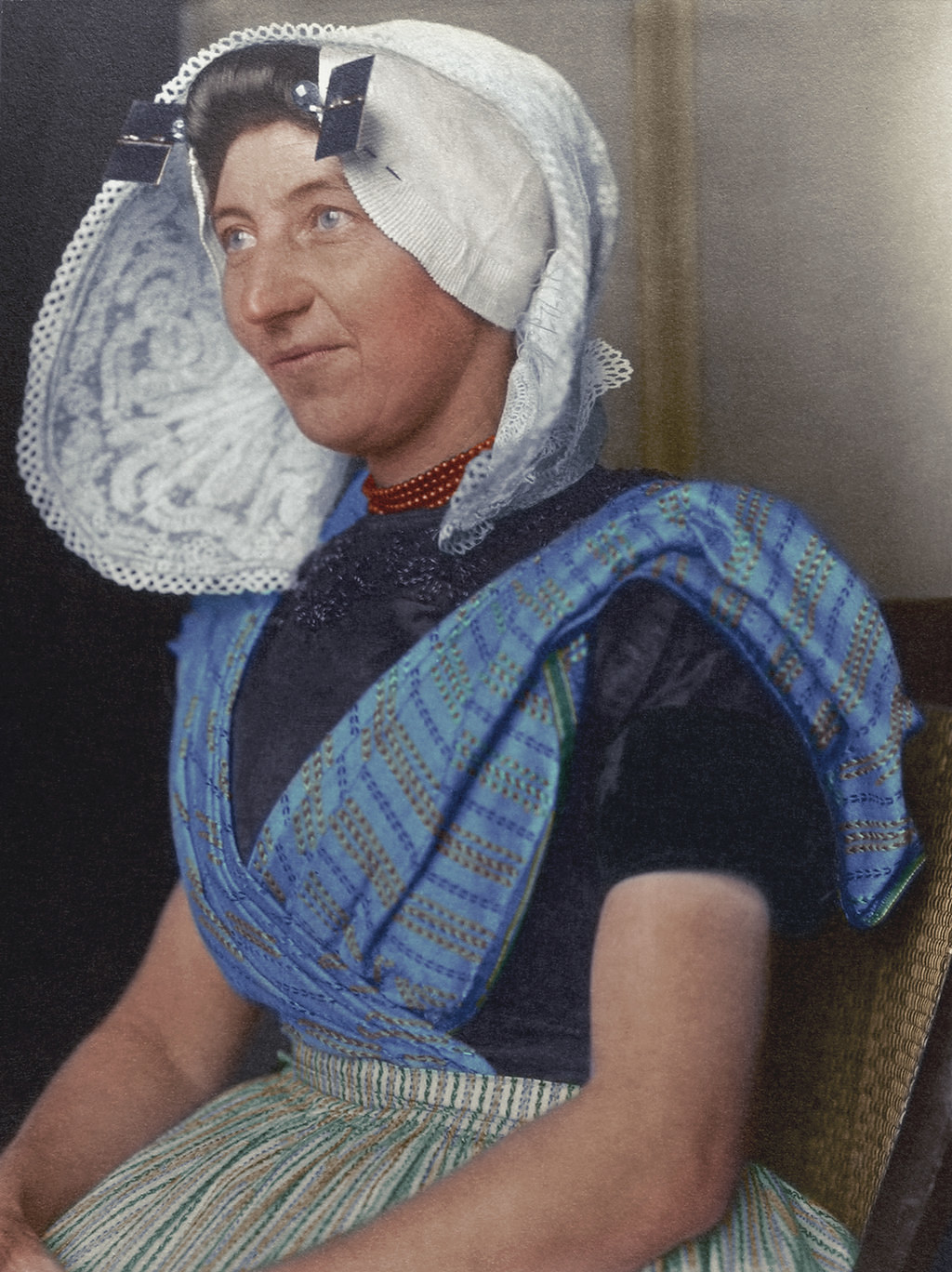
“Dutch Woman”, c. 1910
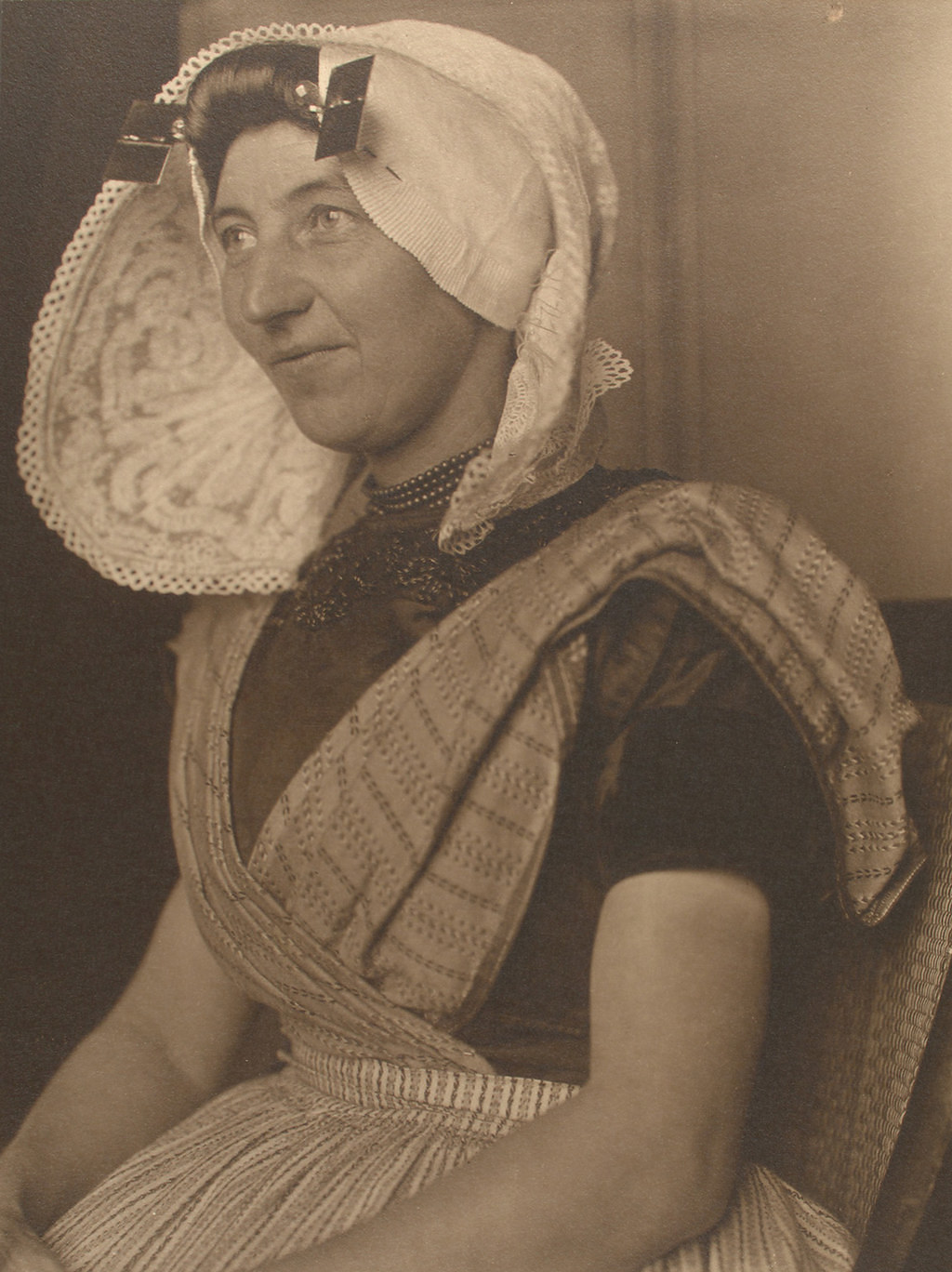
“The large bonnet, which arguably is one of the most recognisable aspects of Dutch traditional dress, was usually made of white cotton or lace and sometimes had flaps or wings, and often came with a cap. The rest of the costume came in distinctly regional variations, made from cotton, linen, or wool and decorated with embroidered floral patterns. A sleeved bodice covered the top half of the body and came in a dark colour, contrasted by a colourful tunic as seen in this photograph.” – Dynamichrome Augustus Francis Sherman / New York Public Library / Dynamichrome / Via digitalcollections.nypl.org

“Danish Man”, 1909
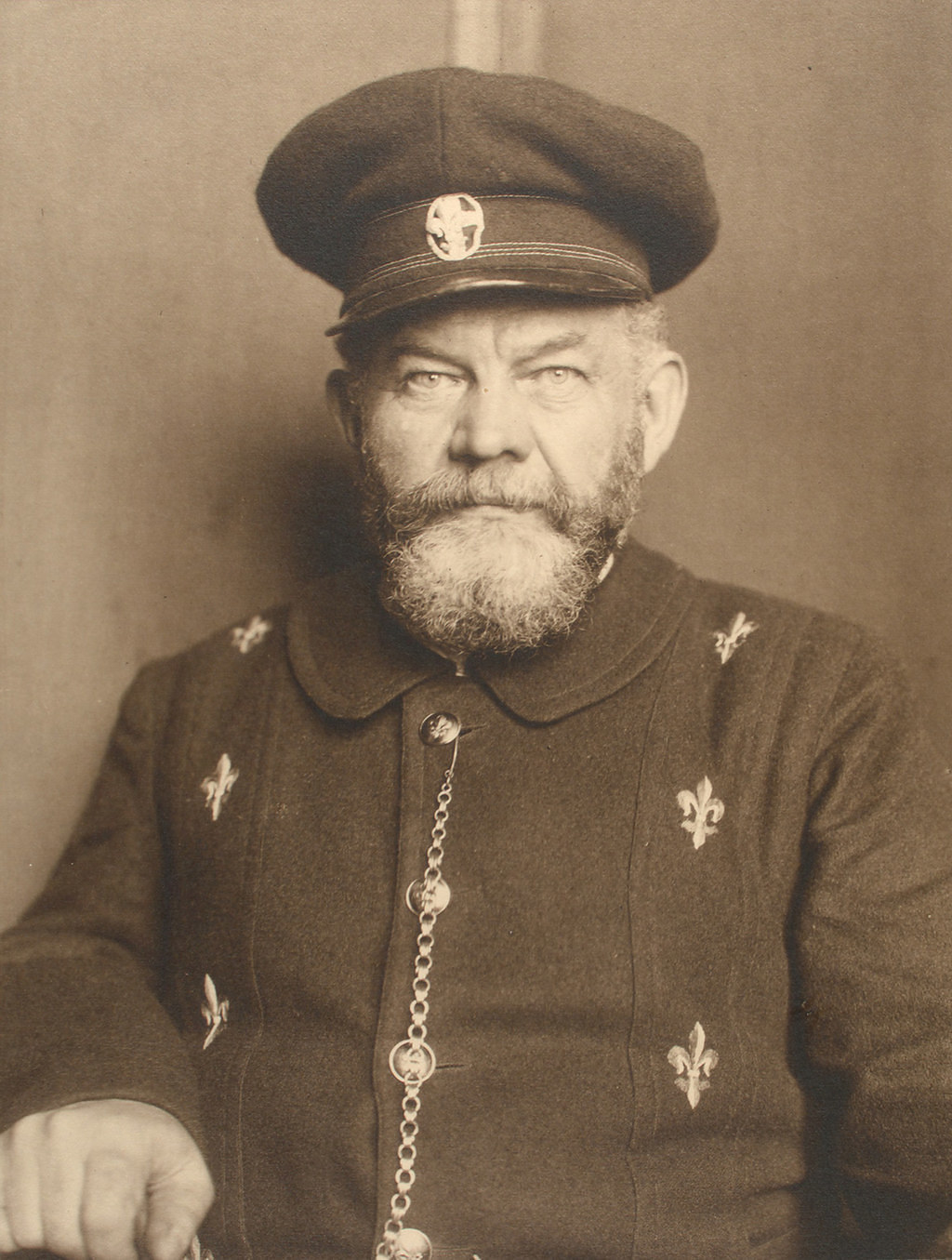
“Evolving since the 1750s, the Danish dressed simply, with more decorated attire for special occasions such as weddings or Sunday church. As with many nations before mass industrialisation, much of the clothing was homespun by Danish women or a professional weaver and were usually made from wool and flax, which were warm and relatively easy to acquire. Cuts and patterns were largely regional with a limited palette derived from vegetable dye. Men often wore several shirts underneath their jackets, and the addition of silver buttons on the jacket and other decorative details indicated an individual’s wealth and origin.” – Dynamichrome Augustus Francis Sherman / New York Public Library / Dynamichrome / Via digitalcollections.nypl.org

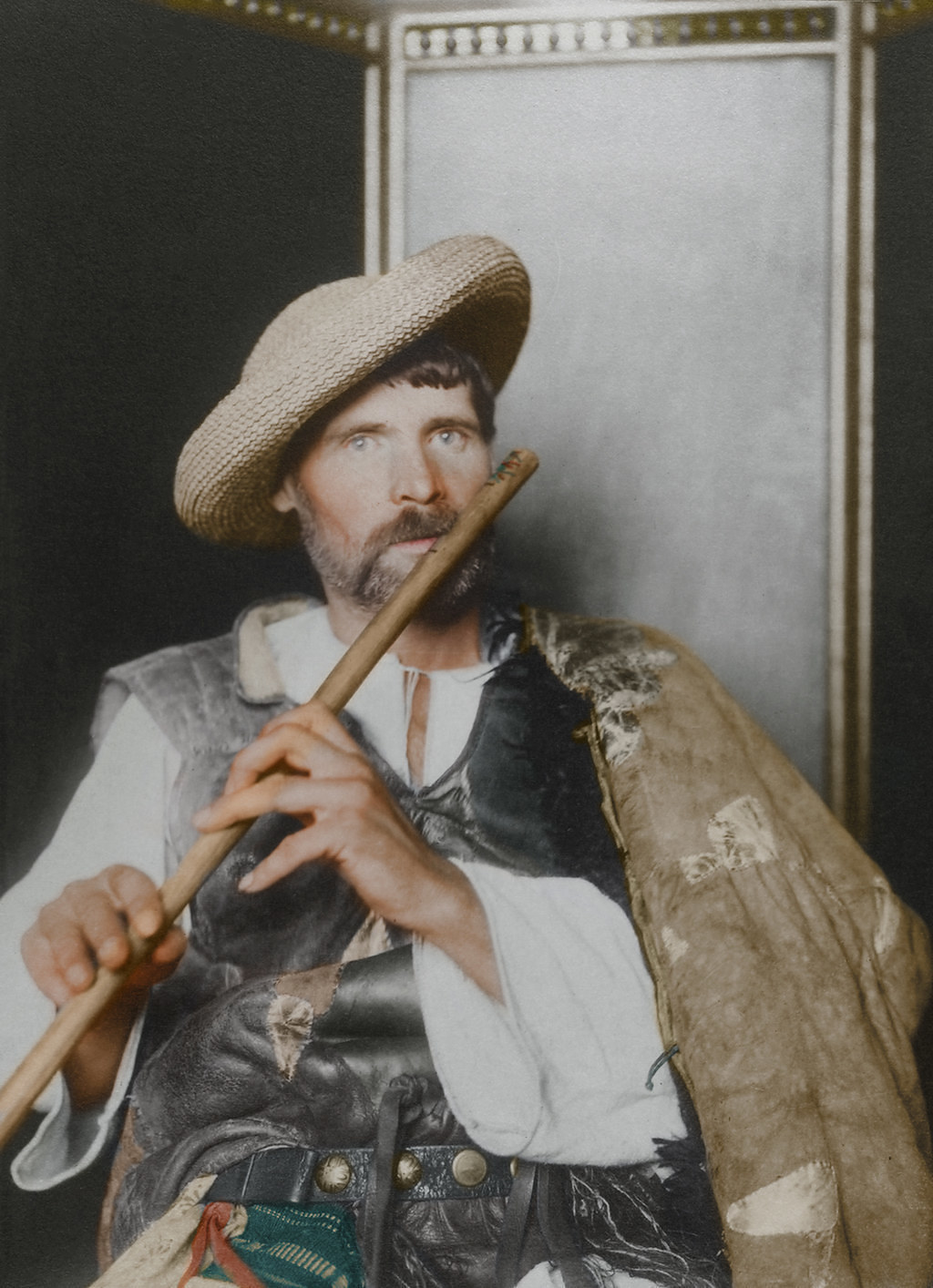
“Romanian Piper”, c. 1910
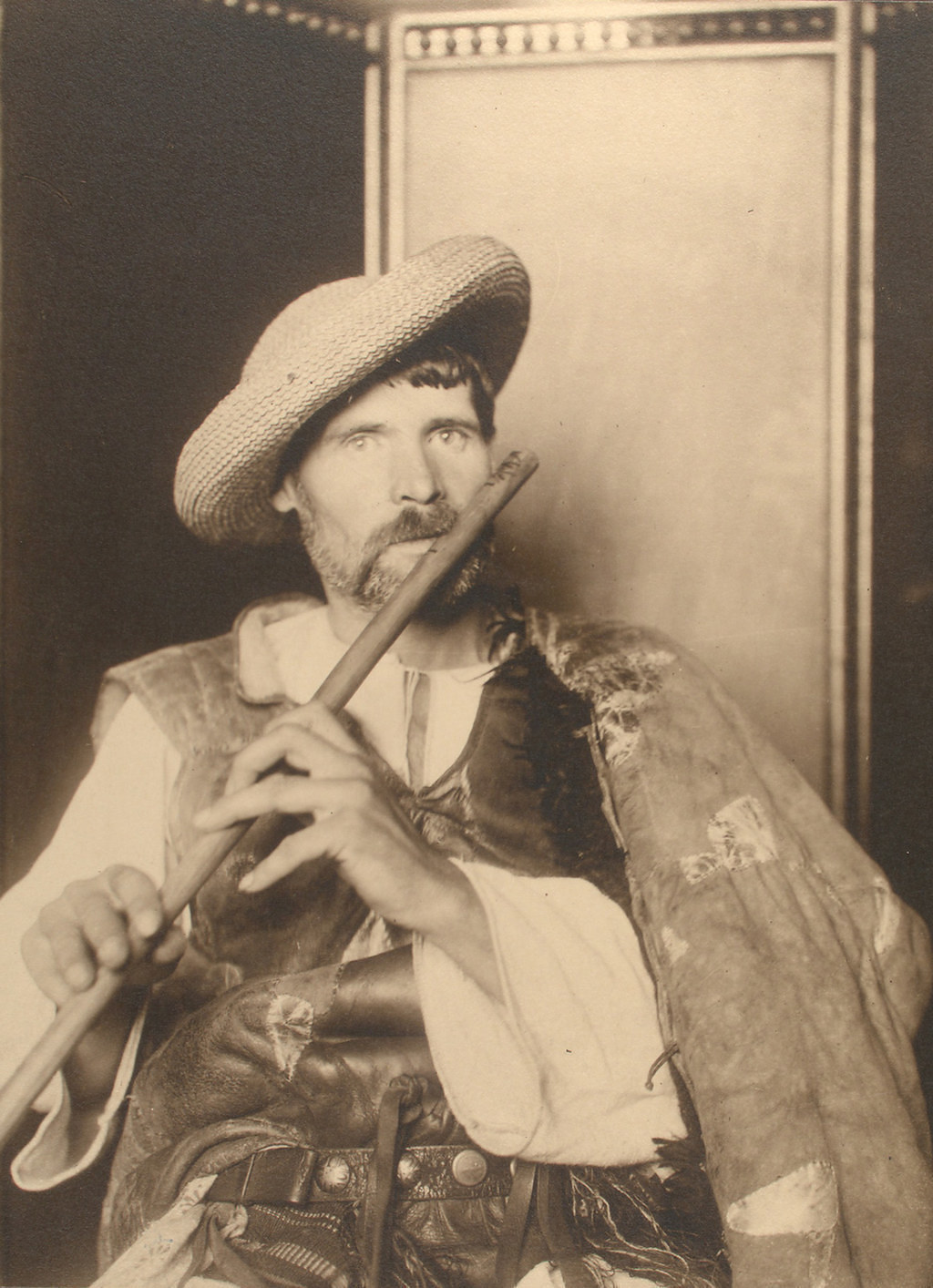
“This particular crojoc – an embroidered sleeved sheepskin coat – is much plainer than the shepherd’s version, making it a more practical, work-oriented coat, suggesting that the subject is of the working class, given the lack of decoration and the straw hat. The waistcoat, known as a pieptar, is worn by both men and women, and smaller waistcoats were made from lambskin.” – DynamichromeAugustus Francis Sherman / New York Public Library / Dynamichrome / Via digitalcollections.nypl.org

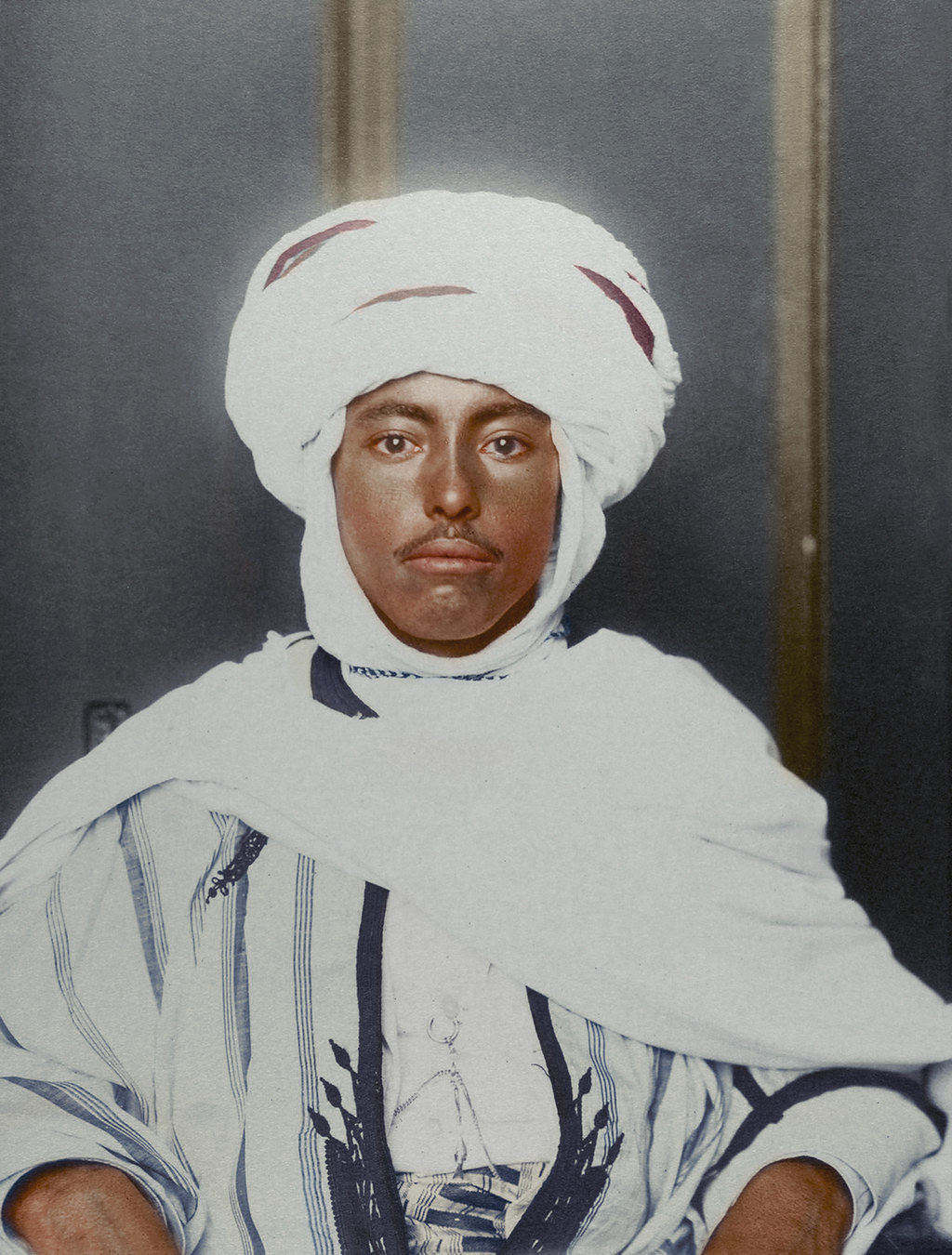
“Algerian Man”, c. 1910
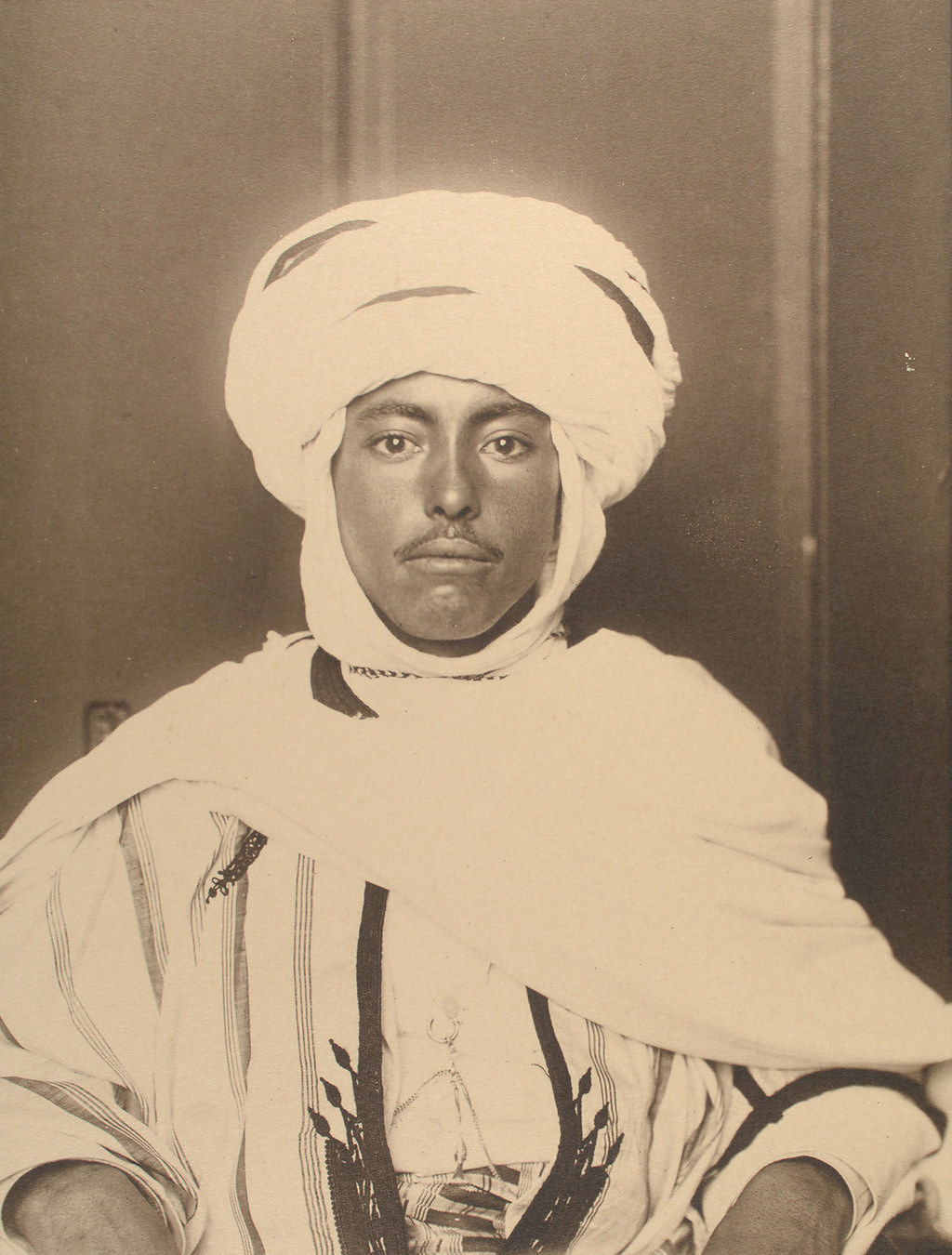
“Algerian identity is shaped by its indigenous Berber, Arab, African, and Mediterranean cultures. The kufiya is a square of fabric folded into a triangle and set upon the head by an ‘iqual, a circlet of camel hair. The kaftan tunic has been worn by many cultures and was often made of wool, silk, or cotton – though the cloak, known as a burnous, was made from woollen fabric and came with a hood and ranged from white to dark brown depending on the region.” – Dynamichrome Augustus Francis Sherman / New York Public Library / Dynamichrome / Viadigitalcollections.nypl.org

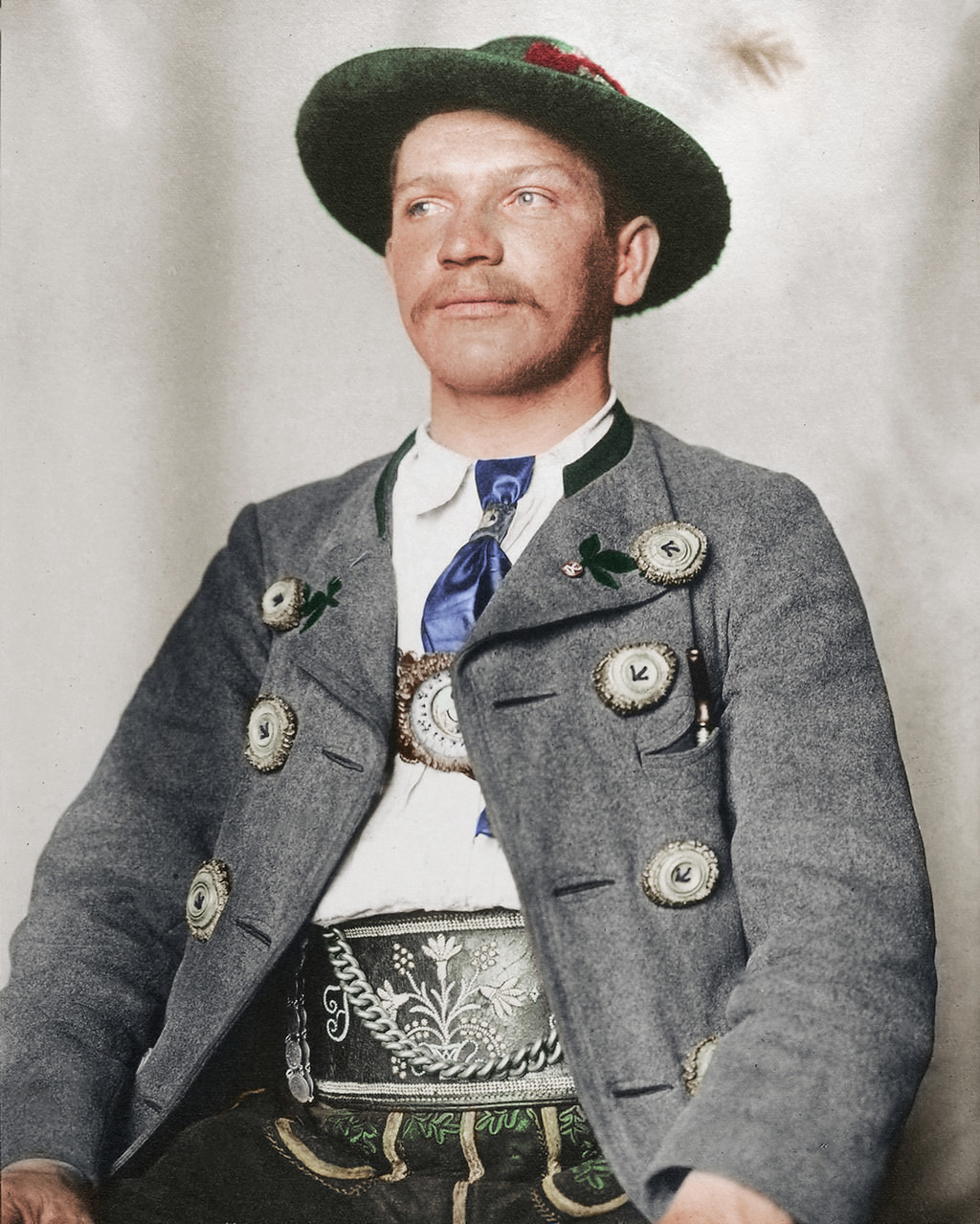
“Bavarian Man”, c. 1910
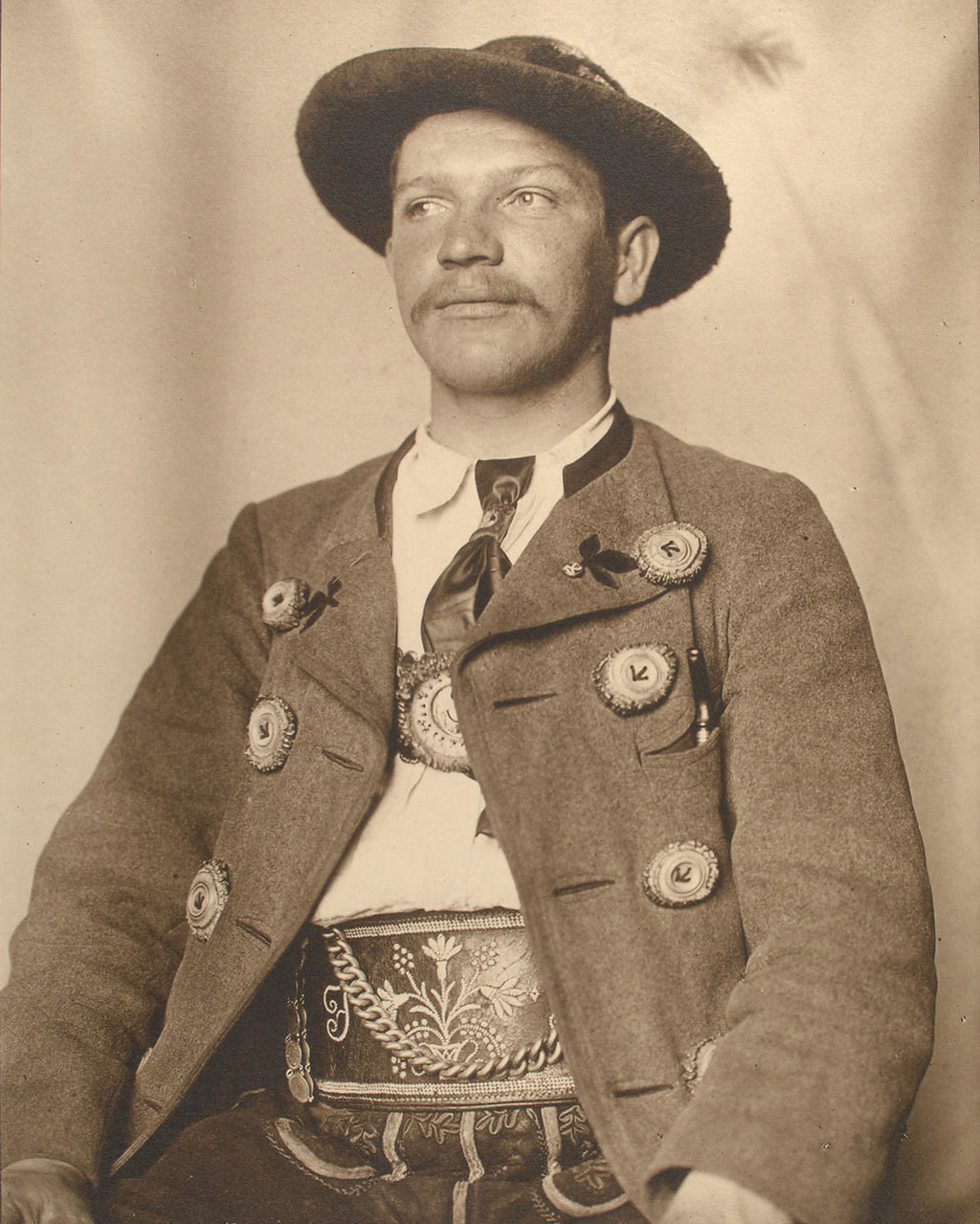
“The traditional dress of Germany is known as the trachten, and like so many others has regional variations. In the alpine regions of Germany, like Bavaria, leather breeches known as lederhosen were worn regularly by rural folk, though in modern-day Germany, most people associate the garment with the annual Oktoberfest. The grey jacket, known as a trachtenjanker, is made from fulled wool and decorated with horn buttons, and often used by hunters in the region.” – Dynamichrome Augustus Francis Sherman / New York Public Library / Dynamichrome / Via digitalcollections.nypl.org

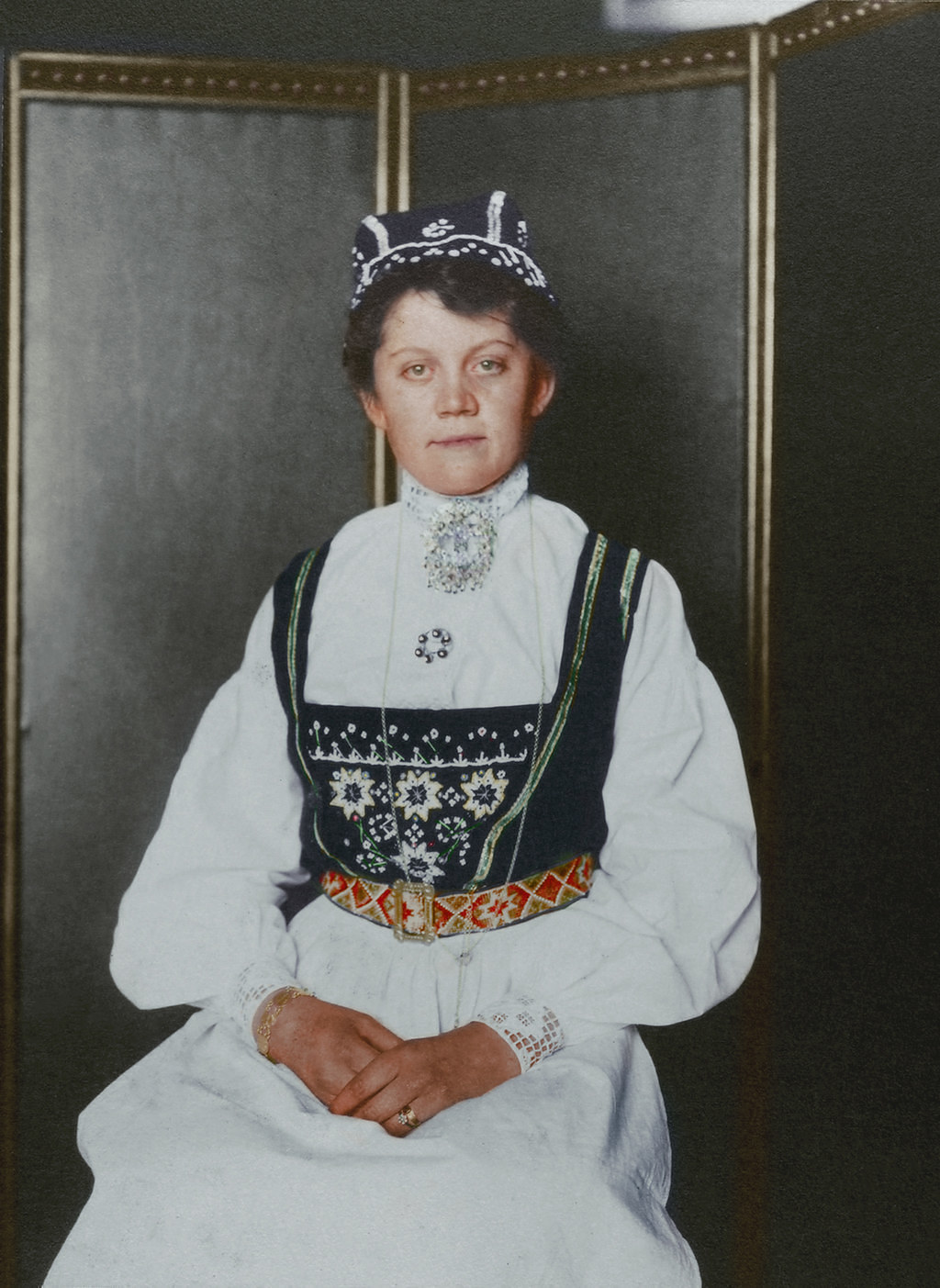
“Norwegian Woman”, c. 1906–1914
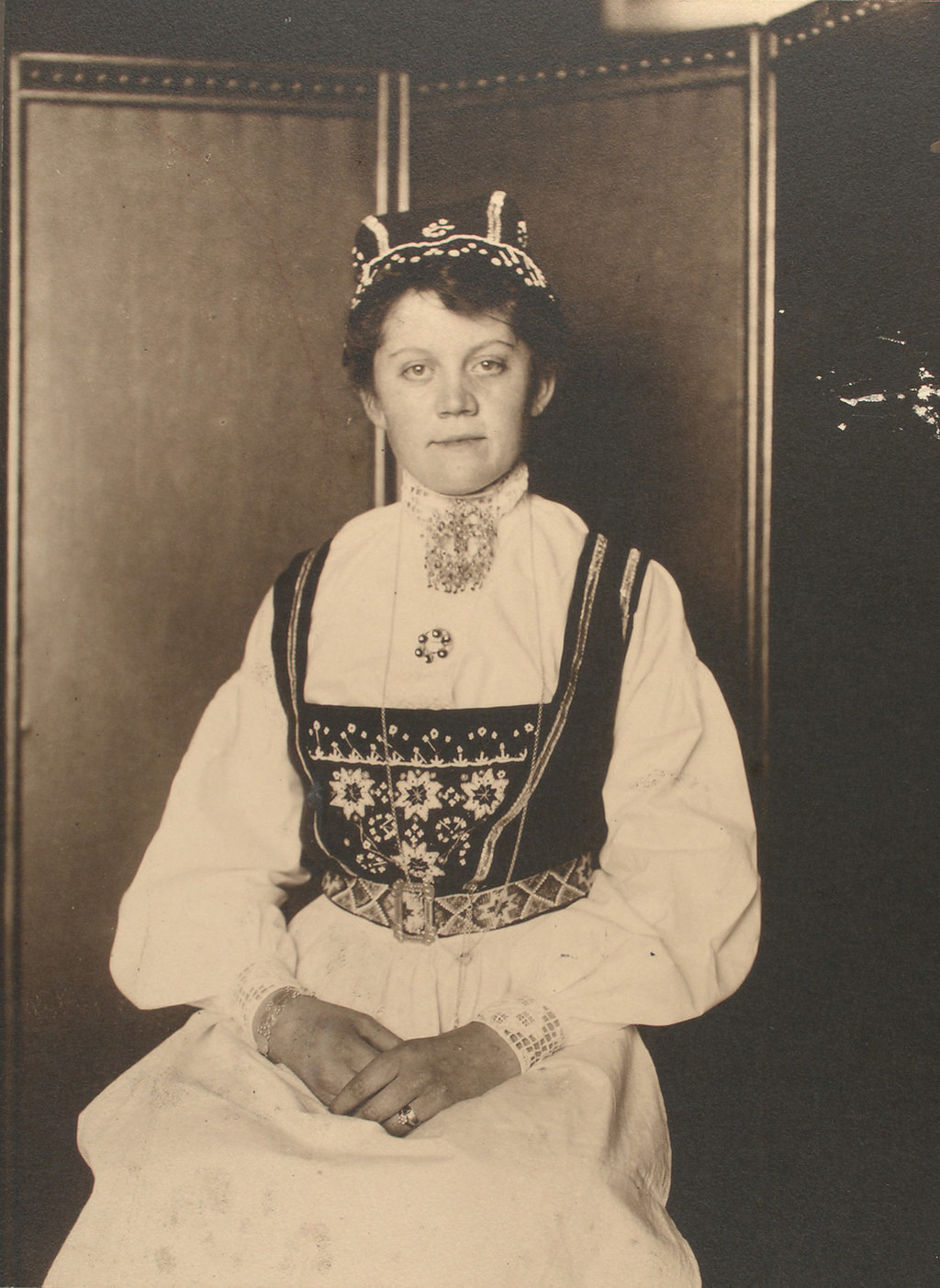
“‘Bunad’ is an umbrella term encompassing Norwegian traditional dress that is distinctly Norwegian, though the costumes themselves like so many others are influenced by region, tradition, and available material. In rural Norway, clothes were often made at home and typically made from wool, though silk or other imported material was available. Decoration was elaborate or sparse depending on the region, or whether or not the dress was considered Sunday best. In much of rural Norway, women often covered their hair as a sign they were married.” – Dynamichrome Augustus Francis Sherman / New York Public Library / Dynamichrome / Via digitalcollections.nypl.org

White House wants to add new racial category for Middle Eastern people - Note for a discussion, "E Pluribus Unum? What Keeps the United States United"


, USA TODAY

Right now, people from the Middle East and North Africa are considered "white" on the U.S. census. Video provided by Newsy Newslook
WASHINGTON — The White House is putting forward a proposal to add a new racial category for people from the Middle East and North Africa under what would be the biggest realignment of federal racial definitions in decades.
If approved, the new designation could appear on census forms in 2020 and could have far-reaching implications for racial identity, anti-discrimination laws and health research.
Under current law, people from the Middle East are considered white, the legacy of century-old court rulings in which Syrian Americans argued that they should not be considered Asian — because that designation would deny them citizenship under the1882 Chinese Exclusion Act. But scholars and community leaders say more and more people with their roots in the Middle East find themselves caught between white, black and Asian classifications that don't fully reflect their identities.
"What it does is it helps these communities feel less invisible," said Helen Samhan of the Arab American Institute, which has been advocating the change for more than 30 years. "It’s a good step, a positive step."
On Friday, the White House Office of Management and Budget advanced the proposal with a notice in the Federal Registerseeking comments on whether to add Middle Eastern and North African as a separate racial or ethnic category, which groups would be included, and what it should be called.
Under the proposal, the new Middle East and North African designation — or MENA, as it's called by population scholars — is broader in concept than Arab (an ethnicity) or Muslim (a religion). It would include anyone from a region of the world stretching from Morocco to Iran, and including Syrian and Coptic Christians, Israeli Jews and other religious minorities.
But the Census Bureau, which has been quietly studying the issue for two years, also has gotten caught up in debates about some groups — such as Turkish, Sudanese and Somali Americans — who aren't included in that category. Those are issues the White House is trying to resolve before adding the box on 2020 census forms.
Adding a box on the census form could have implications beyond racial identity. According to the White House notice, the new data could be used for a wide range of political and policy purposes, including:
• Enforcing the Voting Rights Act and drawing congressional and state legislative district boundaries;
• Establishing federal affirmative action plans and evaluating claims of employment discrimination in employment in the private sector;
• Monitoring discrimination in housing, mortgage lending and credit;
• Enforcing school desegregation policies; and
• Helping minority-owned small businesses get federal grants and loans.
Adding the classification also would help the government and independent scholars understand more about trends in health, employment and education.
"We can't even ask questions like that, because we don't have the data," said Germine Awad, an Egyptian-American and professor of educational psychology at the University of Texas at Austin.
The racial classifications have been unchanged since 1997, and Michigan's congressional delegation has argued that they're due for an update. Rep. Debbie Dingell, D-Mich., said Friday the White House action was good news. Adding a MENA category, she said, would allow many of her Michigan constituents to "accurately identify themselves and access the employment, health, education and representation services that are based on census data.”
There are an estimated 3.6 million Arab-Americans in the United States, but that doesn't include other ethnic groups that could put the total Middle Eastern and North African population above 10 million. According to the Census Bureau's American Community Survey — a survey conducted in between the 10-year census cycle based on a statistical sample — about 1 million people from the region are first-generation immigrants to the United States.
In the 2010 census, many Middle Easterners skipped the question entirely — an action some activists encouraged as a form of silent protest. "Check it right; you ain't white," went one campaign.
"You have individuals within this designation that would consider themselves white, and they certainly have a right to their identity. It’s not about identity in the psychological way. It’s about where would you fit the best on this form," Awad said. "If you talk to anybody at the census, they’ll tell you that their job is not to help anybody with their racial or ethnic identity."
And some, especially in the Muslim-American community, are also concerned about how the data might be used — especially given proposals by Republican presidential candidate Donald Trump for a moratorium on Muslim immigrants and for increased surveillance of Muslim communities.
"It just aids and facilitates the state's ability to know where these communities are in a very specific fashion," said Khalid Beydoun, a law professor at the University of Detroit. "My inclination is to think that individuals who might identify might not check the box for fear of retribution — especially if Trump wins."
But Beydoun, a naturalized citizen with Egyptian and Lebanese parents, said he still supports the proposal as an expression of Middle Eastern identity.
"In the grand scheme of things, it’s really a progressive stride forward," he said. "But in the broader landscape, it’s taking place in the context of greater animus against Arab Americans, and really, Islamophobia."
Comments on the proposal are due in 30 days, making it possible for the Obama administration to enact the change in the last three months of a presidency that has spent considerable effort to be more inclusive of Arab-Americans and other Middle Easterners.
"I think with him being the first African-American president and being an obvious example of making the American fabric more diverse, that this could be  great sign of inclusion about what it means to be an American," Awad said.

I never worry I’ll be shot in Chicago. After all, I’m white. Note for a discussion, "E Pluribus Unum? What Keeps the United States United"


Walking through a high-crime neighborhood without fear of violence is the ultimate white privilege.


For the past 18 years, I’ve walked regularly down Howard Street, on the far northern fringe of Chicago. It’s a colorful marketplace of dollar stores, chicken shacks, West Indian restaurants, Arab-owned groceries and hip-hop sneaker shops. It’s also the turf of Loyalty Over Cash, a Gangster Disciples faction that has been embroiled in a feud with the Insane Cutthroat Gangsters, another Gangster Disciples group operating a mile south. A few years ago, a drive-by gunman fired a bullet through a convenience store window, killing a customer inside. The store reopened two days later, without even covering the hole. The next week, a 16-year-old aspiring rapper was gunned down on a sidewalk at 3 in the morning. I got to the crime scene after the building engineer washed away the blood but before the TV van left.
Even in the midst of a gang war, I had no fear of getting shot. Why? Because I’m white.
There’s a ridiculous trope — put forward by the makers of TV crime dramas, auto alarm systems, handguns and attack ads against soft-on-crime politicians — that white people who set foot in the inner city are prey for African American criminals. Even my black neighbors believe it. “I think Caucasians who walk down this street are pretty brave,” one of the sneaker store owners told me.
“I think the black people are brave,” I said. “They’re the ones who get shot.”
Donald Trump brought up Chicago’s violence in last Monday night’s presidential debate, arguing that the city needs to hire more police officers and adopt the stop-and-frisk policies which he credits with reducing New York City’s homicide rate, but which were ruled unconstitutional in 2013.
“We need law and order in the inner cities, because the people that are most affected by what’s happening are African-American and Hispanic,” Trump said. He may not have the right solutions, but he is right about the racial disparities in the city’s slayings.
Chicago has more homicides than any other city in the United States — more than New York and Los Angeles combined — but white people are nearly as safe here as in Europe. Through late September, more than 550 people in Chicago have been homicide victims this year. Of those, more than 400 were black, about 90 were Latino and fewer than 30 were “white/other,” even though we’re the most numerous ethnic category in the city and the surrounding area. (Fewer than 10 victims were categorized as being of “unknown” ethnicity.) The black homicide rate last year was 46 per 100,000, higher than it was a decade ago. The white rate, which has declined, was 2.7. That means blacks are 17 times more likely to be killed than whites. 
Walking through a high-crime neighborhood without fear of being shot is the ultimate white privilege. Belonging to a conquering culture provides a free pass on another race’s turf, an immunity from the violence that afflicts oppressed communities. Howard Street is the main drag of a neighborhood nicknamed the Juneway Jungle, or simply “the Jungle,” but I’ve never been hassled there, even at 1 in the morning. I look so square that no one even tries to sell me weed.
Obviously, whites are not immune to all crime. There was an outbreak of “gooning,” random beatings of pedestrians by youth mobs. One of my neighbors moved after he was strong-armed for his laptop. But those incidents fall far short of shootings, so they’re not going to make the news in a city with two murders a day.
Chicago is more notorious for gang activity now than at any time since the days of Al Capone. Spike Lee came to town in 2015 to shoot a “Lysistrata” takeoff titled “Chi-Raq ,” after a term coined by South Side rapper King Louie, who was shot in the head as he sat in a parked car last year. The BBC filmed a feature called “Life and death on the lost streets of Chicago ,” reporting from South and West side neighborhoods normally avoided by visitors, who confine themselves to the lakefront Green Zone.
The city has also become a whipping boy for conservative politicians and talking heads who blame its violence on (a) gun control, (b) eight decades of Democratic mayors or (c) absent fathers — all problems they say could be solved by electing Republicans. After basketball star Dwyane Wade’s cousin was killed in gang crossfire this summer, Trump tweeted: “Just what I have been saying. African-Americans will VOTE TRUMP!” Like his promises to protect gun rights and restore law and order, Trump’s concern for African American murder victims seems aimed more at addressing his white supporters’ fears of urban violence than at trying to convince blacks that he cares about their problems. Personally, I think I’m more likely to be shot by a mentally unstable young man in a movie theater than by a gangbanger in my neighborhood. That may sound naive, but it’s the naivete of experience.
In my lifetime, which began in 1967, it’s never been safer to be a white person in urban America. A study by a University of Chicago graduate student found that the city’s decline in murders since the 1990s has disproportionately benefited white neighborhoods: They’ve become less violent, while black neighborhoods are now deadlier — an inequality of violence that mirrors the economic inequality in a city losing its middle class. Lincoln Square, home to Mayor Rahm Emanuel and the Von Steuben Day Parade, made famous in “Ferris Bueller’s Day Off,” is murder-free most years. In Englewood, the South Side neighborhood that spawned Chief Keef and Lil Durk, who won record deals by rapping about gang violence, almost 65 people have been killed this year. Whites are far more likely to oppose gun control than blacks, but we’re not the ones getting shot. 
Chicago is famously segregated, but the experiences of blacks and whites don’t vary just when we live in different neighborhoods. They vary within the same neighborhood. My census tract is 50 percent black and 37 percent white. That’s integration. But when I walk past a group of black men standing in front of the currency exchange, we have entirely different expectations of getting shot or arrested. I’ve only been stopped by the police once. I was a wearing a parka that hid my face. As soon as I turned around, the cop waved me off. We’re on the same sidewalk, but we live in different cities. The violence has touched those close to me — my church secretary’s son was killed during a struggle over a gun with his father — but never me personally.
“No one is safer in communities of color than white folks,” former New York City paramedic Daniel José Older wrote in Salon. White skin isn’t bulletproof. It’s more like a “force field . . . powered by the historically grounded assurance that the state and media will prosecute any untoward event.”
“I’m the invisible man,” says a white friend who works for a Howard Street social-service agency. Gangbangers don’t bother us, because we’re civilians in their conflicts. Also, we might be cops. Even if we aren’t, we’ll call the cops. We don’t follow the snitch code that says gangs should police their own disputes, without getting the authorities involved. We assume the authorities will be on our side.
That’s never been the case in the black community, and it’s even less so now, after highly publicized police shootings have further eroded trust in law enforcement. In Chicago, the coverup of the shooting of 17-year-old Laquan McDonald reached all the way to the mayor’s office. University of Missouri at St. Louis criminologist Richard Rosenfeld believes police shootings may have contributed to violence in 10 cities with large African American populations — including Chicago, Cleveland, Washington and St. Louis — that accounted for two-thirds of the increase in big-city homicides in 2015. 
“When persons do not trust the police to act on their behalf and to treat them fairly and with respect, they lose confidence in the formal apparatus of social control and become more likely to take matters into their own hands,” Rosenfeld wrote in “Documenting and Explaining the 2015 Homicide Rise: Research Directions,” a report he prepared for the National Institute of Justice. “Interpersonal disputes are settled informally and often violently. Honor codes develop that encourage people to respond with violence to threats and disrespect. Predatory violence increases because offenders believe victims and witnesses will not contact the police. Individuals engage in ‘self-help’ and entire communities become ‘stateless’ social locations.”
(Trump supporters such as former New York mayor Rudy Giuliani like to turn the “Black Lives Matter” slogan around on the black community by arguing that blacks are greater threats to each other than the police are, which ignores the fact that law and order breaks down when the law itself becomes a source of disorder.)
A few years ago, I spent several weeks on the arsoned-out east side of Detroit, researching a book about Rust Belt cities. One of the locals was so unnerved by my exoticism that he demanded to know what I was doing on his street.
“It’s not usual to see a white person here,” he said. “You might be a cop.”
What I was doing was exercising my white privilege — to go wherever I want without worrying about anyone shooting at me.